Africatown Heritage House

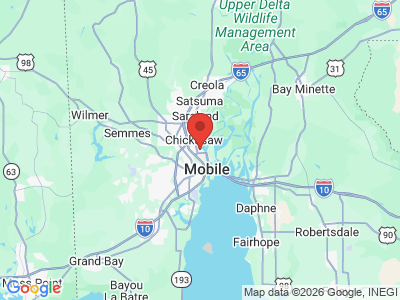
Africatown Heritage House interprets the story of the Clotilda, the schooner that carried 110 West Africans forcibly removed from the Kingdom of Dahomey (present-day Benin), their experience as enslaved persons, and ultimately their founding of the Africatown community. The Heritage House is located in the Africatown historic district in Mobile, Mobile County, and was established after the Clotilda shipwreck was verified in the Mobile River by the Alabama Historical Commission (AHC) in 2019. The Heritage House is operated by the History Museum of Mobile.
The Clotilda was the last known slave ship to arrive in the United States from Africa, in 1860, after the slave trade was abolished. In March 2020, the AHC announced that there would be a partnership to open an exhibit about the Clotilda, but the COVID-19 pandemic delayed those plans. Ground was officially broken in February 2021, and the museum opened on July 8, 2023, to coincide with the 163rd anniversary of the arrival of the 110 Africans on U.S. soil. The color blue was chosen for the exterior of the building because it is also the color of Mobile County Training School located across the street.

Africatown Heritage House was conceived and built through the efforts of several organizations. The building was constructed by Mobile County with additional financial backing from the city of Mobile. The Mobile County School System helped provide the land for the building, and the Mobile Area Lodging Corporation assisted with the garden and furnishings. Additional financial support came from the Alabama Power Foundation, the Daniel Foundation of Alabama, the AHC, Crampton Trust, and the Alabama State Council on the Arts. The exhibition was curated, constructed, and funded by the History Museum of Mobile in consultation with the wider descendant community, local community members, and experts from around the country. Overall, it took four years to create the site and exhibit.
The building is approximately 5,000 square feet and consists of an entry porch, lobby, offices, exhibit space, a media room, a break room, and restrooms. Of the total space, about 2,500 square feet are occupied by the exhibition. The components feature artifacts from a variety of institutions from as far as California as well as pieces of the Clotilda on loan from the AHC, and the media room focuses on rotating community projects, including cemetery preservation, housing renovation in Africatown, and oral histories from descendants of people brought over on the Clotilda. The design of the exhibition is meant to be multisensory, through a combination of text panels, archival documents, and artifacts.

The first section of the exhibit portrays life in West Africa by discussing the everyday life of the enslaved through material culture including religious objects and artwork. The second section explains the Atlantic slave trade and the institution of slavery in the United States and features a model of the Clotilda. The third describes the particulars surrounding the Clotilda, its arrival in Africa, the purchase and enslavement of the 110 West Africans, and the journey back to Mobile. The exhibit also features individual experiences of those enslaved and brought to Mobile, including Oluale Kossola (Cudjo Lewis). The fourth displays artifacts and stories relevant to the founding of Africatown. From there, the exhibit moves to the Clotilda itself, including pieces of the shipwreck, archaeological interpretation, and how the ship fits into the historical narrative.
The final component of the exhibit is Africatown in recent history. It details current challenges, records oral histories of residents who grew up in Africatown, and portrays the triumphs of the community. Highlights include an audio guide by a Yaruban voice actor speaking the words of Cudjo Lewis who was among the last living Clotilda survivors interviewed about their experience. In addition, there is a memorial wall inscribed with the names of those 110 Africans who have been identified.

The grounds feature a reflection garden and bioswale containing plants that historically would have been used for traditional medicine as well as the sculpture Memory Keeper, constructed by Mobile artists Charles Smith and Frank Ledbetter. Made of stainless steel, the Memory Keeper is nine feet high and almost three feet wide. The sculpture is an homage to bronze and iron plaques that hung in West African palaces hundreds of years ago and utilizes a variety of shapes and symbols that represent Africatown and the story of the 110 enslaved Africans.
Africatown Heritage House hosts various kinds of programming and events as part of its operations. Guided tours are held on a regular schedule, while a lecture series focuses on Black history, and other topics are covered monthly. Africatown Heritage House hosts events including Culture Fest, a celebration of African American culture featuring specialized vendors with food, crafts, and performances and Christmas at Africatown Heritage House. The organization often collaborates with the Hope Center located next door for larger events, including Kwanzaa and some aspects of Culture Fest. The Heritage House staff also conducts outreach activities at local schools, fairs, and social events.
Overall operational funding is provided by Mobile County, and some of the events, such as Culture Fest, are funded by the board of the History Museum of Mobile. Staff at the Heritage House consist of a site manager, receptionist, community docent, facility attendant, and tour guide. Africatown Heritage House is located in the historic district of Africatown, at 2465 Wimbush Street.