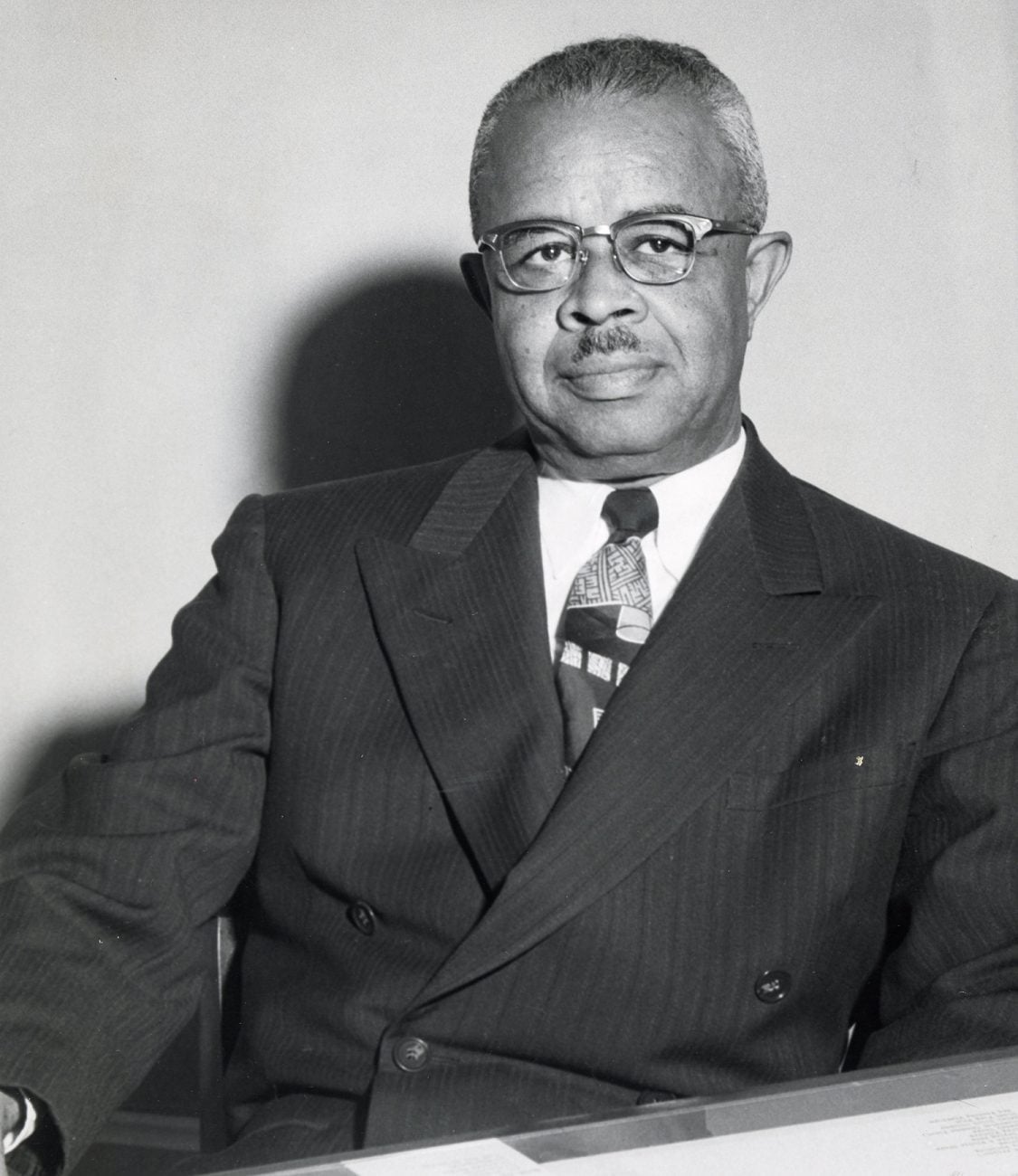
Tuskegee Veterans Hospital
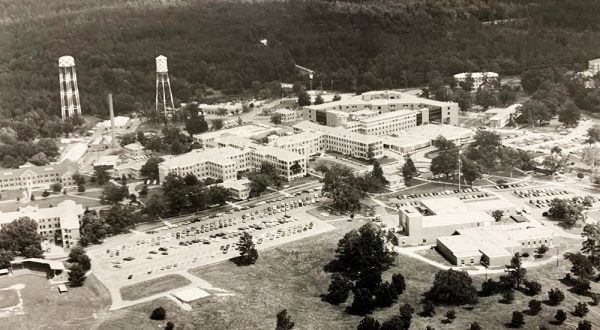
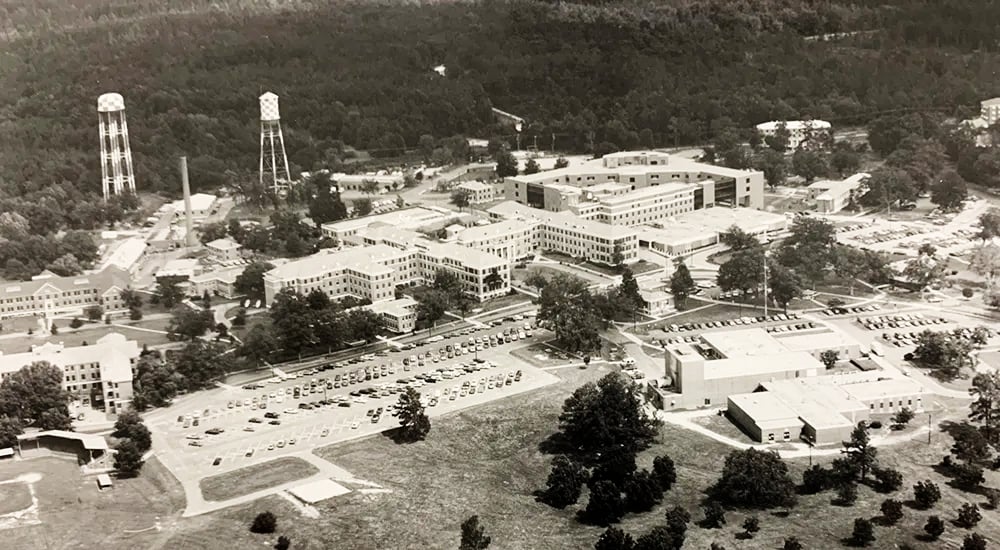
Opened in 1923, the Tuskegee Veterans Hospital (TVH) in Tuskegee, Macon County, was the nation’s first and only hospital constructed specifically for Black veterans of World War I. Initially, the hospital sparked controversy due to its location and staffing decisions, and even provoked threats from the Ku Klux Klan (KKK), when the Veterans Bureau began implementing an all-Black staff. The hospital would later employ or produce numerous pioneering Black professionals, men and women, who contributed to the health and well-being of their patients. The hospital was desegregated in 1954 and remains an important source for veterans’ healthcare in east-central Alabama.
Although they fought for freedom overseas during World War I, Black veterans returning to the United States were not afforded the same rights or access to healthcare as their White counterparts. Many Black veterans struggled to receive adequate healthcare in segregated facilities, particularly in southern states where their needs were often neglected or they were denied treatment altogether. In 1921, the newly established Veterans Bureau (present-day U.S. Department of Veterans Affairs, or VA) decided to open a hospital for some 300,000 Black veterans living in the South. The U.S. Treasury Department allocated $2.25 million to build the facility, but it was not universally supported. Civil rights pioneer and one of the founders of the National Association for the Advancement of Colored People (NAACP), W.E.B. Du Bois initially opposed the hospital’s segregation policy and location in the Jim Crow South. Politicians in several states rejected building the hospital in their localities.
Interest from Tuskegee Institute
However, Robert Moton, Tuskegee Institute (present-day Tuskegee University) president and Booker T. Washington’s successor, was determined to bring the veterans hospital to his region. Tuskegee Institute already managed the John A. Andrew Memorial Hospital (JAAMH) on its campus, named after the 25th governor of Massachusetts and, a staunch abolitionist. Moton envisioned collaboration between physicians at the TVH and the JAAMH. Every April between 1915 and 1969, in conjunction with National Negro Health Week, Tuskegee Institute conducted the John A. Andrew Clinic on its campus. The event drew medical specialists of all races from across the country. They provided free healthcare to rural residents and conducted instructional courses for Black physicians who were often excluded from medical residencies (postgraduate professional training positions for physicians). To help secure the veterans hospital project, Moton offered 300 acres of the Institute’s land for its construction. The Veterans Bureau accepted the offer, and construction began on a medical center known as Hospital No. 91, as it was the 91st government project for veterans.
Staffing the hospital remained an open question. The NAACP originally denounced a segregated facility but conceded that a hospital with an African American medical staff would treat Black veterans with the care and respect they deserved. During initial dealings with the Bureau, Moton envisioned an all-Black staff, but White politicians in Alabama had other ideas.
The hospital dedication ceremony took place on February 12, 1923, Abraham Lincoln’s birthday, in the Tuskegee Institute chapel with Vice President Calvin Coolidge in attendance. The TVH opened in June 1923 with pro-segregationist director Col. William Stanley and a White professional staff. However, Black nursemaids were employed to work under the supervision of White nurses, because under the conventions of segregation, White women refrained from touching Black men. The hospital staffing issue prompted a writing campaign involving the Black press, the NAACP, and Black church congregations from across the United States.
Racial Tensions Mount
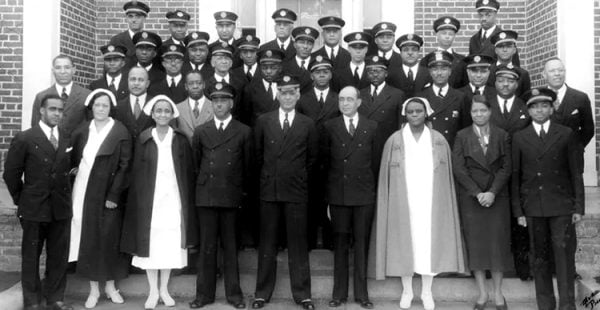
After thousands of writers questioned how White segregationists could properly care for Black veterans, public opinion persuaded the Bureau to change the TVH over to an all-Black professional staff. Southern Whites were outraged and on July 3, 1923, approximately 700 members of the KKK marched through the town of Tuskegee and onto the campus to protest the staffing change. The KKK threatened to kill Moton and set the hospital and Institute on fire, but hundreds of armed Tuskegee alumni and local Black citizens surrounded the buildings’ perimeters to prevent an arson attack from occurring.
A large part of the bureaucratic confrontation likely stemmed from having too many people involved in the hiring process. From the time of the TVH’s inception in 1921 until its changeover to an all-Black staff in 1924, U.S. presidents Warren Harding and Calvin Coolidge and the Veterans Bureau’s first three directors, Charles Forbes, George Ijams, and Frank Hines, were engaged in the decision process. Each man offered separate deals to Moton and to dozens of Alabama politicians, accounting for the confusion.
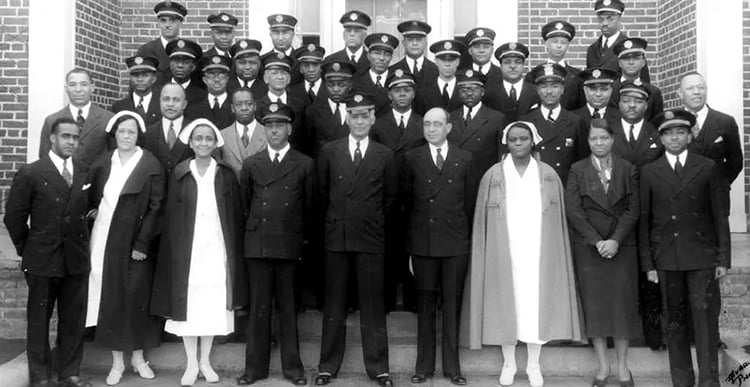
An expedited civil service exam was offered in 1923 to obtain qualified Black workers. Hospital director Stanley transferred to a veterans’ hospital in Bayard, New Mexico, and was replaced with interim director Charles Griffiths. Griffiths oversaw the staff changeover, which was completed by July 1924, just one year after the Klan march. Many Black physicians turned down offers to work at Tuskegee because of the hospital’s location. For years, Black professionals had been leaving the South for greater opportunities in the North and West, a movement known as the Great Migration, and many were not keen on returning to the oppressive cultural norms of the Jim Crow South.
Black Staff Grows
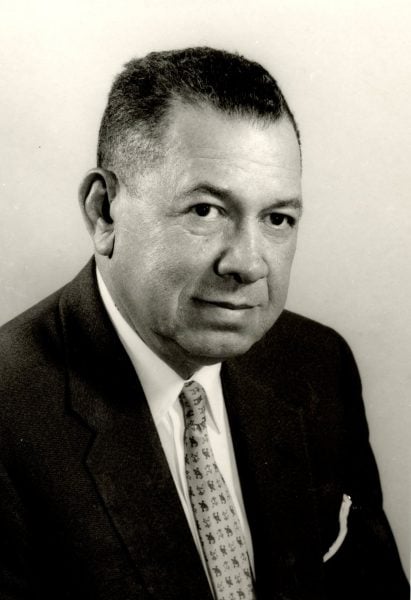
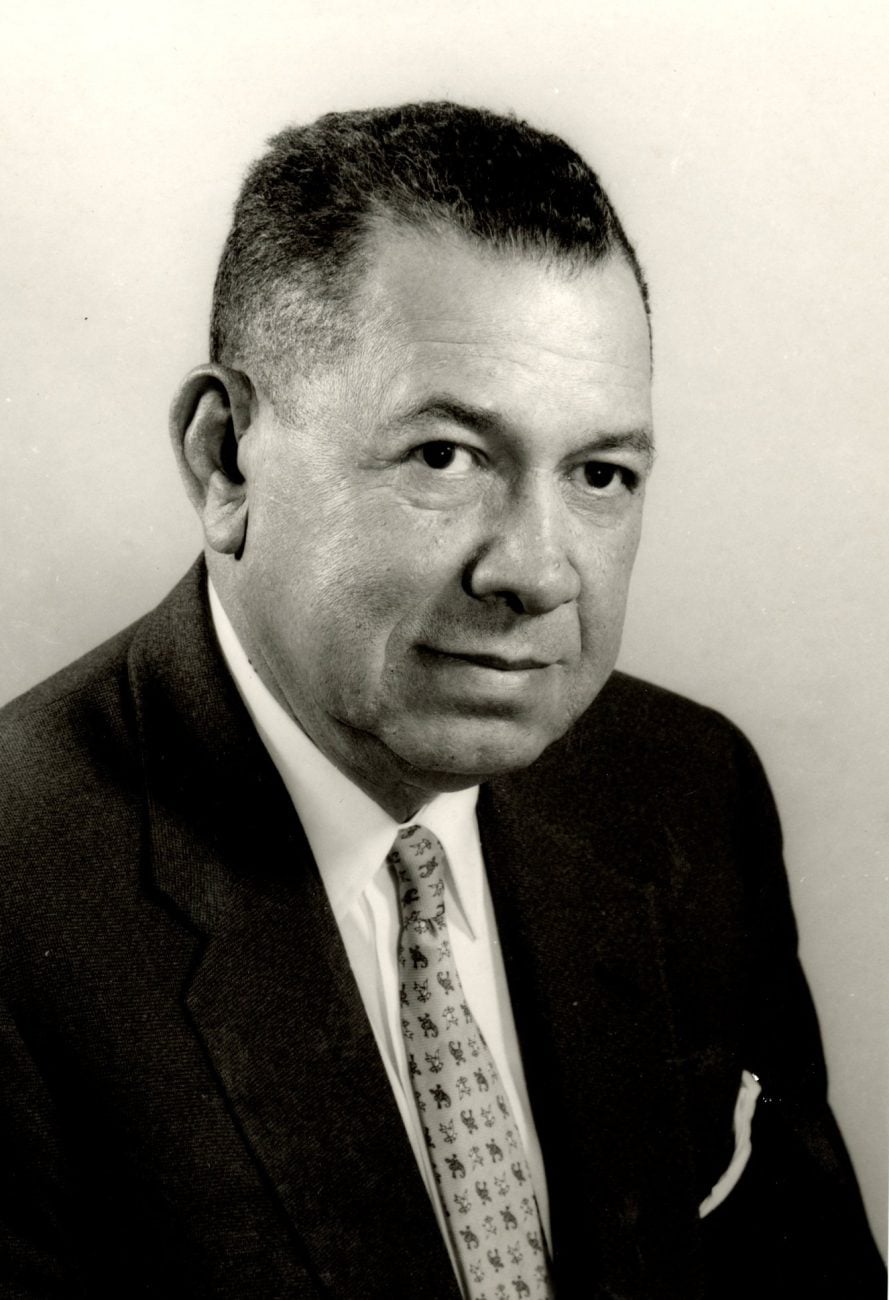
Physician Joseph Henry Ward was hired as director of the facility, becoming the nation’s first Black man to oversee any Veterans Bureau hospital. Prior to this role, Ward owned a hospital and nurses’ training school in Indianapolis, Indiana. During World War I, Ward served in the U.S. Medical Corps where he achieved the rank of lieutenant colonel. Under Ward’s direction, the TVH received top reviews from the Bureau. Ward and his staff proved that Black personnel were highly competent and capable of operating a complex organization from top to bottom.
In an era with few Black psychiatrists, Tuskegee counted four on its staff. Physicians George Branche, Harvey Davis, Simon Johnson, and Harvard-trained Toussaint Tildon were all trained for their TVH positions at Boston University School of Medicine by the country’s first Black psychiatrist, Solomon Carter Fuller, who studied in Germany with Alois Alzheimer. In its early days, TVH treated primarily neuropsychiatric and tuberculosis patients, but it gradually transitioned to a full-service hospital. (In 1930, veterans’ health providers, including the Veterans Bureau, were merged into the newly established U.S. Department of Veterans Affairs, or VA.)
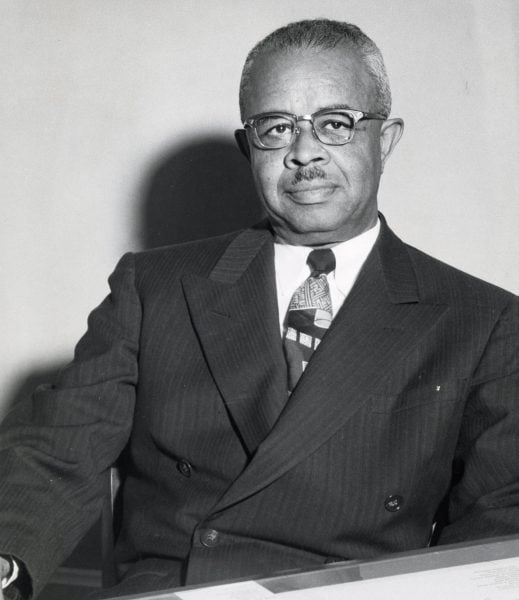
In 1936, Eugene Dibble Jr., previously the medical director at the JAAMH, became the TVH’s second Black director. During World War II, he became the first Black medical officer to achieve the rank of colonel. Dibble hosted several dignitaries during his tenure in the 1930s and 1940s, including President Franklin D. Roosevelt and First Lady Eleanor Roosevelt, and actress Lena Horne visited patients on the TVH campus and performed for the Tuskegee Airmen at their facility. Following World War II, VA director Omar Bradley, who is best known as one of the senior U.S. generals during the war, toured the facility.
Psychiatrist Toussaint Tildon succeeded Dibble in 1946 as the third Black director of the TVH. When the hospital desegregated in 1954, it began treating White veterans and hiring White employees. Even so, a series of Black directors operated the facility until 1997 when the TVH became the East Campus of the Central Alabama Veterans Health Care System, which now consists of nine facilities in east Alabama and western Georgia. A small museum on the East Campus is named for Oscar Cortez Gadson Jr., a Buffalo Soldier and Tuskegee Airman who served in Italy during World War II. Post-military service, Gadson spent several decades at the TVH where he worked as a lab technician.
Notable Women
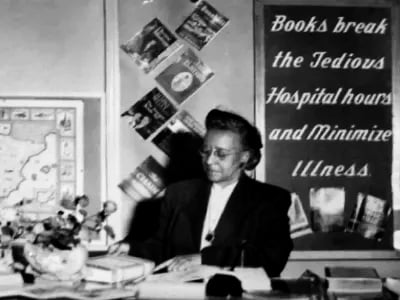
The TVH has also employed pioneering women who made history at the facility, including the hospital’s first librarian, Sadie Peterson Delaney, who honed her skills at the Harlem branch of the New York Public Library. Delaney taught more than 300 blind veterans to read Braille and incorporated bibliotherapy into their healthcare regimen. Tuskegee social worker Anna B. Raines created the Veterans Foster Care program whereby veterans live in the home of a caretakers. The program was adopted nationally by the VA in the 1960s. Raines’ protégé, Essie Davis Morgan, moved to Washington, D.C. where she developed programs for veterans with spinal injuries and was the first Black woman to serve as manager of the D.C. Regional Office. Meloneze Robinson was George Washington Carver’s personal nurse before working in the surgical theater at TVH. In 1958, Robinson patented a limb support device that she had invented to assist with amputation procedures.
In the 1950s, Ivy Brooks made history as one of the earliest Black women to work in radiology for the VA. She studied nuclear medicine at Emory University in Atlanta and Oak Ridge Laboratory in Tennessee. In 2025, Brooks was posthumously awarded a Trailblazer Woman Veteran Award for her lifetime achievements including her U.S. Army service in World War II. Mildred Dixon, for whom the East Campus podiatry clinic is named, was a pioneering podiatrist who established the first podiatric residency at several VA hospitals in Alabama. After retiring in 1985, Dixon volunteered at the George Washington Carver Museum on the Tuskegee University campus for more than three decades, until the age of 102. She currently holds the National Park Service record for oldest volunteer.
Expansion, Research, Vets Training
Over the decades, numerous buildings have been added to the original 27 on the TVH campus. Built in 1961, Building 90 houses recreational activities, including a bowling alley, and is the location for the Patriot Café and Patriot Shop. The New Horizons Community Living Center provides residential care for senior veterans, and a solar farm was added in the 2000s. In addition, a diverse range of activities have taken place on the TVH campus. In the facility’s earlier decades, workers and patients produced a good portion of the hospital’s food supply by growing crops and raising swine and chickens. Before large drug companies were established, TVH pharmacists compounded medications and concocted soaps and lotions for patients. Physicians and technicians researched tuberculosis, malaria, and sickle cell disease. Veterans received innovative treatments in mental health and physical and occupational therapies. They were trained in specific industries like leatherworking and watch repair, and those with wartime injuries acquired new skills adapted to their medical conditions. The TVH operated as a community hub where local teenagers volunteered each summer. Veterans, employees, and local sports teams played baseball and softball on Vetegee Field into the 1990s. The auditorium in Building 90 held dances, concerts, fashion shows, and screened movies.
By the time TVH celebrated its centennial anniversary in 2023, it had provided quality healthcare to hundreds of thousands of veterans of all races. The hospital building interiors have been modernized while the building exteriors reflect the facility’s origins. In 2012, TVH was listed on the National Register of Historic Places. The TVH’s origin story, its employees, and their achievements played an important role in American and Alabama history.
Additional Resources
- Adler, Jessica L. Burdens of War: Creating the United States Veterans Health System. Baltimore: Johns Hopkins University Press, 2017.
- Ellis, Jack D. Physicians for the People: Black Doctors and the Struggle for Health-Care Equity in Alabama, 1870-1970. Tuscaloosa: University of Alabama Press, 2025.
- Kaplan, Mary. The Tuskegee Veterans Hospital and Its Black Physicians: The Early Years. Jefferson, North Carolina: McFarland and Company, 2016.
- Stevens, Rosemary. A Time of Scandal: Charles R. Forbes, Warren G. Harding, and the Making of the Veterans Bureau. Baltimore: Johns Hopkins University Press, 2016.
- Ward, Thomas J. Jr. Black Physicians in the Jim Crow South. Fayetteville: The University of Arkansas Press, 2003.
- Watson, Wilbur H. Against the Odds: Blacks in the Profession of Medicine in the United States. London and New York Routledge, 1999.