Jeanne Voltz
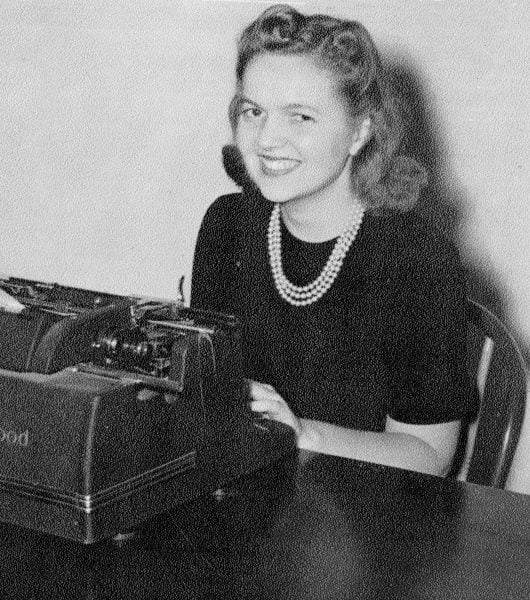
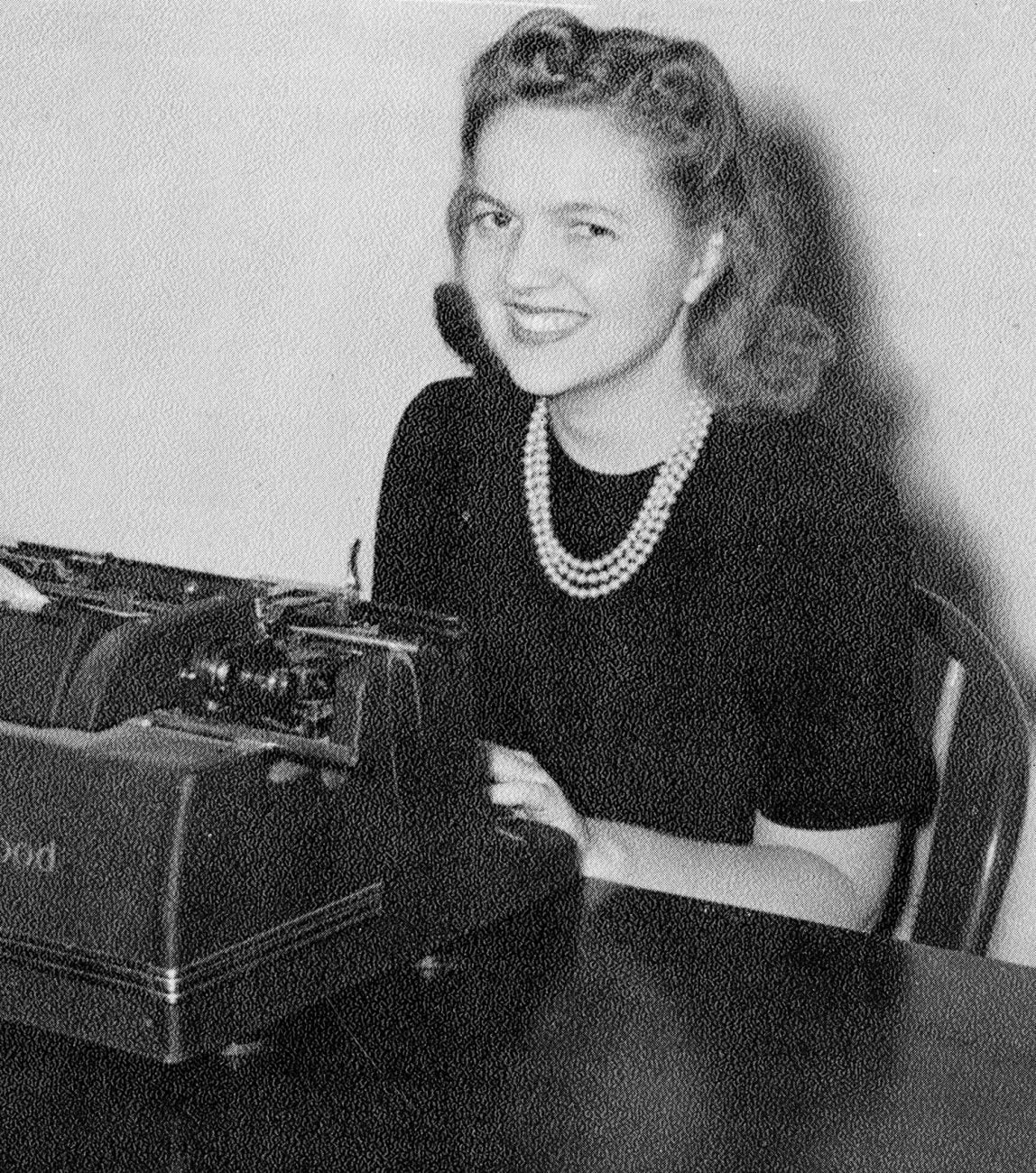
Jeanne Appleton Voltz (1920-2002) was an award-winning food journalist from Alabama whose works shaped newspaper food coverage in the United States. She drew upon her early exposure to southern agricultural and cooking practices throughout her work. Her rural upbringing would shape her reporting, recipe development, and later cookbooks.
Voltz was born Jeanne Appleton on November 20, 1920, in Collinsville, DeKalb/Cherokee Counties, to James Lamar Appleton and Marie Sewell Appleton; she was one of four siblings. She spent most of her childhood in Montevallo, Shelby County, immersed in the agricultural and folk practices of rural Alabama at the time. She often helped with milking cows, gardening, and meat preparation. These activities would later shape her interest in regional foodways and inform her understanding of southern cuisine. At the time, rural households in Alabama relied heavily on seasonal produce, home preservation, and small-scale farming, practices that later became recurring subjects in Voltz’s writing.
Voltz attended public schools in Montevallo, graduating from Montevallo High School in 1938. She then attended Alabama College for Women (present-day University of Montevallo), where she studied political science and history, graduating in 1942; she hoped to become a foreign correspondent. While in school, she served as editor of The Alabamian, the college’s newspaper and also worked as a correspondent for the Birmingham News. After graduating in 1942, she took a job at the Mobile Press-Register, where she worked as a general assignment reporter from 1942-45. While in Mobile, she met sports journalist Luther Manship Voltz, whom she married in 1943; they would have two children. In 1945, the couple moved to Miami after Luther was hired by the Miami Herald.
In 1951, after several years as a stay-at-home parent, Voltz found part-time work at the city desk of the Miami Herald. Soon, she was reassigned to the paper’s women’s news section. As she was relatively uninterested in writing about fashion and society, her editor asked her to write about food. When she initially replied that she did not know how to cook, her editor advised her to learn. In the ensuing decades, Voltz would become an established food expert. In the post-World War II era, the food sections of newspapers were often driven by advertisers, who prioritized promotional content. In contrast, Voltz brought a more serious journalistic approach, incorporating interviews, field research, and coverage of agricultural issues into her writing.
In 1960, Voltz began work at the Los Angeles Times, one of the nation’s widest-reaching newspapers, where her distinctive reporting methods shaped food journalism across the nation. During this time in America, newspaper food sections were expanding to address consumers' changing habits, and Voltz took this opportunity to explore broader culinary topics. Her coverage highlighted the importance of national developments in postwar America and its growing access to international cuisines, as America began to open itself culturally to global food influences. In addition to recipes and advice for home cooks, Voltz’s journalism at the Los Angeles Times covered such topics as federal nutrition policy, child hunger, and food safety.
After leaving the Los Angeles Times in 1973, Voltz served as a food editor at Woman’s Day. Based in New York City, Woman’s Day was then one of the most widely circulated magazines in the United States. Her articles and recipes gained national appeal and often featured southern food and rural techniques associated with Alabama. In 1976, she became a founding member of the New York Chapter of Les Dames d’Escoffier, a philanthropic organization of women in the food, beverage, and hospitality industries named for ground-breaking French chef Auguste Escoffier.
Voltz wrote numerous acclaimed cookbooks throughout her career. Early titles included Famous Florida Recipes (1954), California Cookbook (1970), The L.A. Gourmet (1971), and The Los Angeles Times Natural Food Cookbook (1973), which highlighted the local cuisines of the states where she had resided. In her later decades, she turned her focus toward her southern roots, with many of her cookbooks highlighting southern ingredients and cooking methods. She gravitated toward home-style dishes such as biscuits, greens, barbecued meats, country ham, corn, and other foods typical of rural Alabama and its neighboring states. She often emphasized traditional preparation methods, including slow-cooking, curing, and smoking, drawing from her childhood in Alabama and often highlighting the state in her recipe instructions. She frequently returned there, often as an expert judge in food competitions.
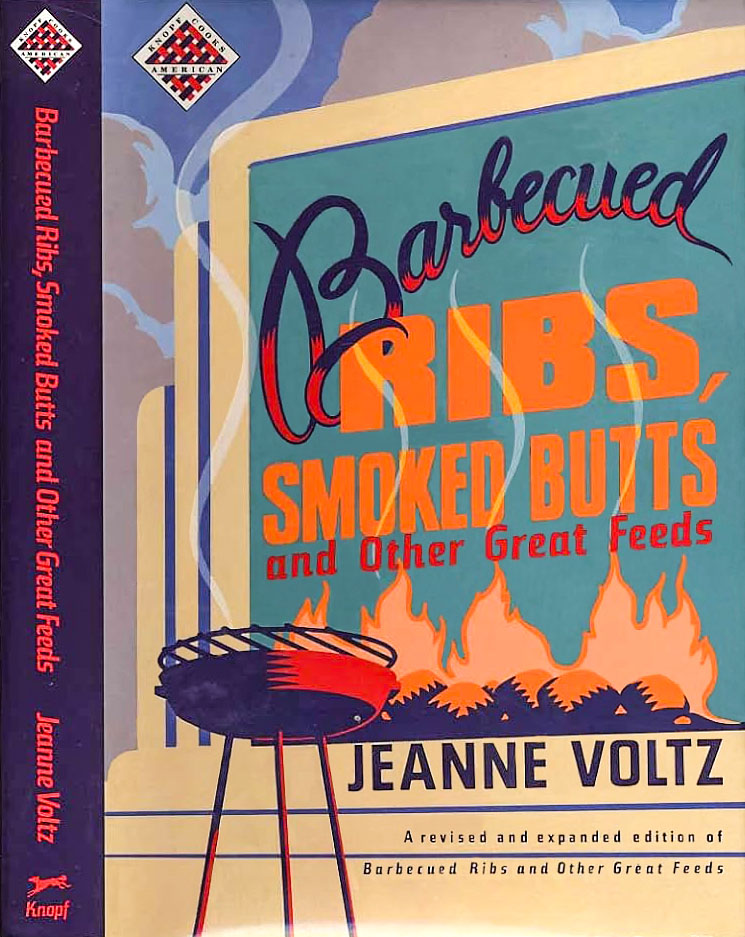
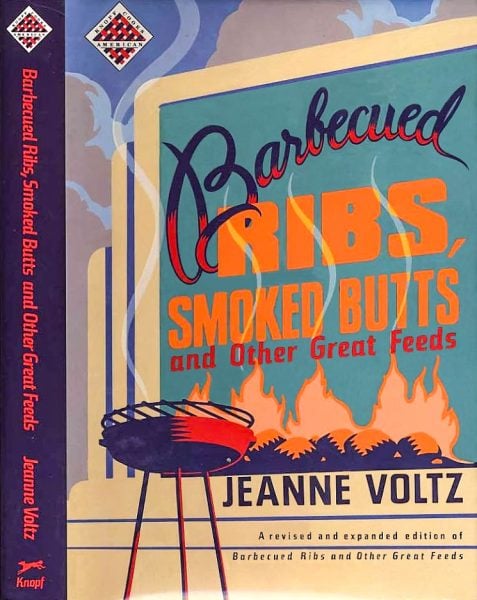
Voltz received numerous professional honors for her works, including several Tastemaker Awards, awarded by the R. T. French Company, and Vesta Awards, awarded by the American Meat Institute. Two of her cookbooks, The California Cookbook and Barbecued Ribs, Smoked Butts, and Other Great Feeds, earned James Beard Foundation Media Awards, one of the most prestigious awards in cooking and food writing. James Beard praised the latter book as the “definitive” book on barbecue, and critics have argued that Voltz’s book helped elevate the culinary reputation of barbecue outside of the South.
After Voltz and her first husband divorced in the 1980s, Voltz married video production company owner Frank MacKnight in 1988. In her later years, she resided with her husband in Pittsboro, North Carolina, where she continued to write, test recipes, and consult on cookbooks. Her work during this period maintained its focus on regional food traditions, including those associated with Alabama and the broader South. She served on the board of the Society for the Preservation and Revitalization of Southern Food, an organization founded by Edna Lewis and Geneva County native Scott Peacock with the mission of recording and supporting traditional southern cooking practices. Many of the recipes she created or wrote about were grounded in her childhood experiences in Montevallo. Her collaboration with like-minded writers and community organizers to record regional recipes contributed to a broader effort to document southern foodways in the late twentieth century.
Voltz died in Pittsboro on January 15, 2002, leaving behind a significant body of work that shaped food writing in American journalism, documenting history, culture, and everyday life.
Selected Works by Jeanne Voltz
Famous Florida Recipes (1954)
The California Cookbook (1970)
The L.A. Gourmet: Favorite Recipes from Famous Los Angeles Restaurant (1971)
The Los Angeles Times Natural Food Cookbook (1973)
The Flavor of the South (1977)
How to Turn a Passion for Food into Profit (1979)
Barbecued Ribs, Smoked Butts, and Other Great Feeds (1985)
Gifts from a Country Kitchen (1984)
Community Suppers and Other Glorious Repasts (1987)
The Country Ham Book (1999)
Additional Resources
- Voss, Kimberly Wilmot. “Food Journalism or Culinary Anthropology? Re-Evaluating Soft News and the Influence of Jeanne Voltz’s Food Section in the Los Angeles Times.” American Journalism 29 (Spring 2012): 66–91.