University of Montevallo's College Night
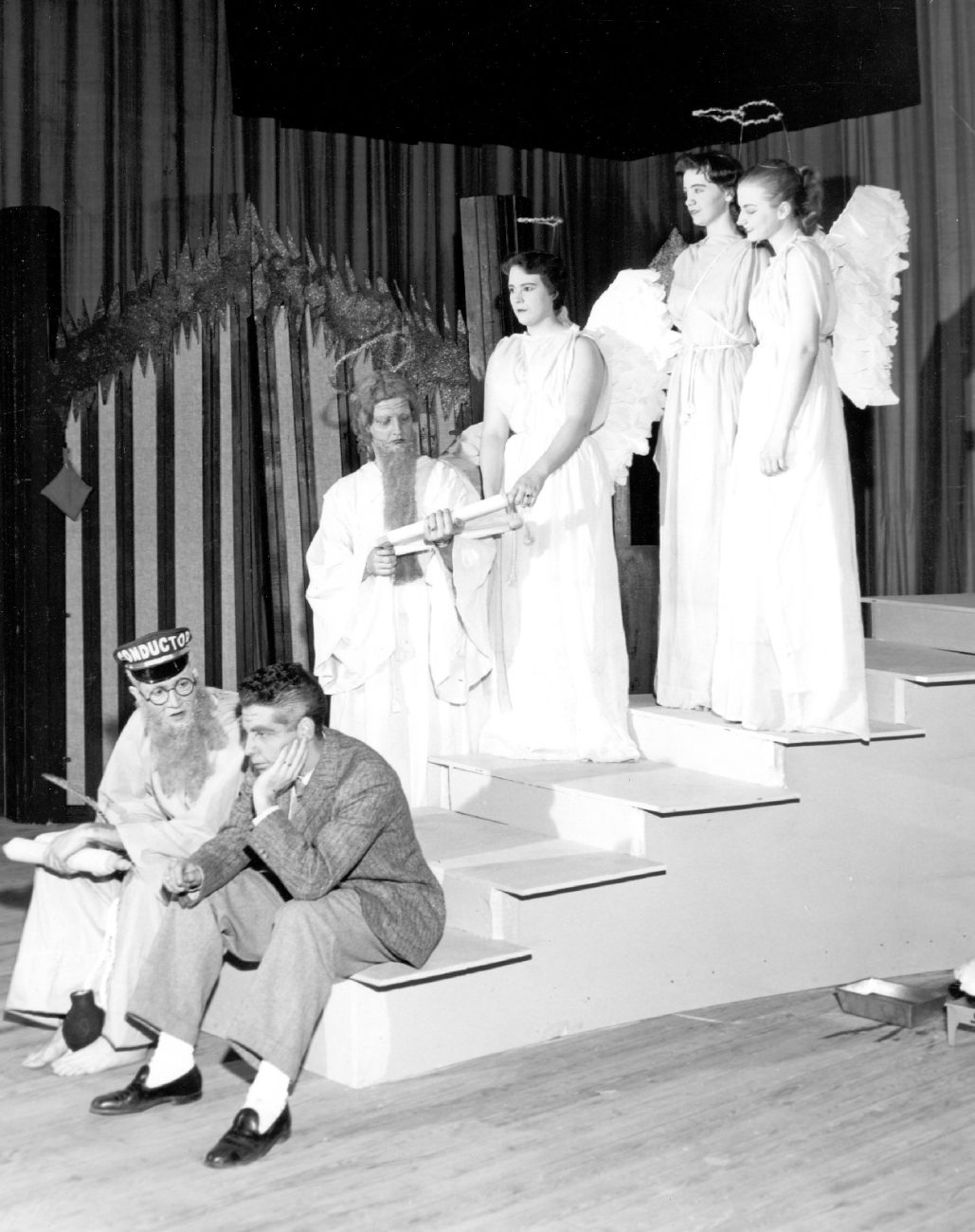
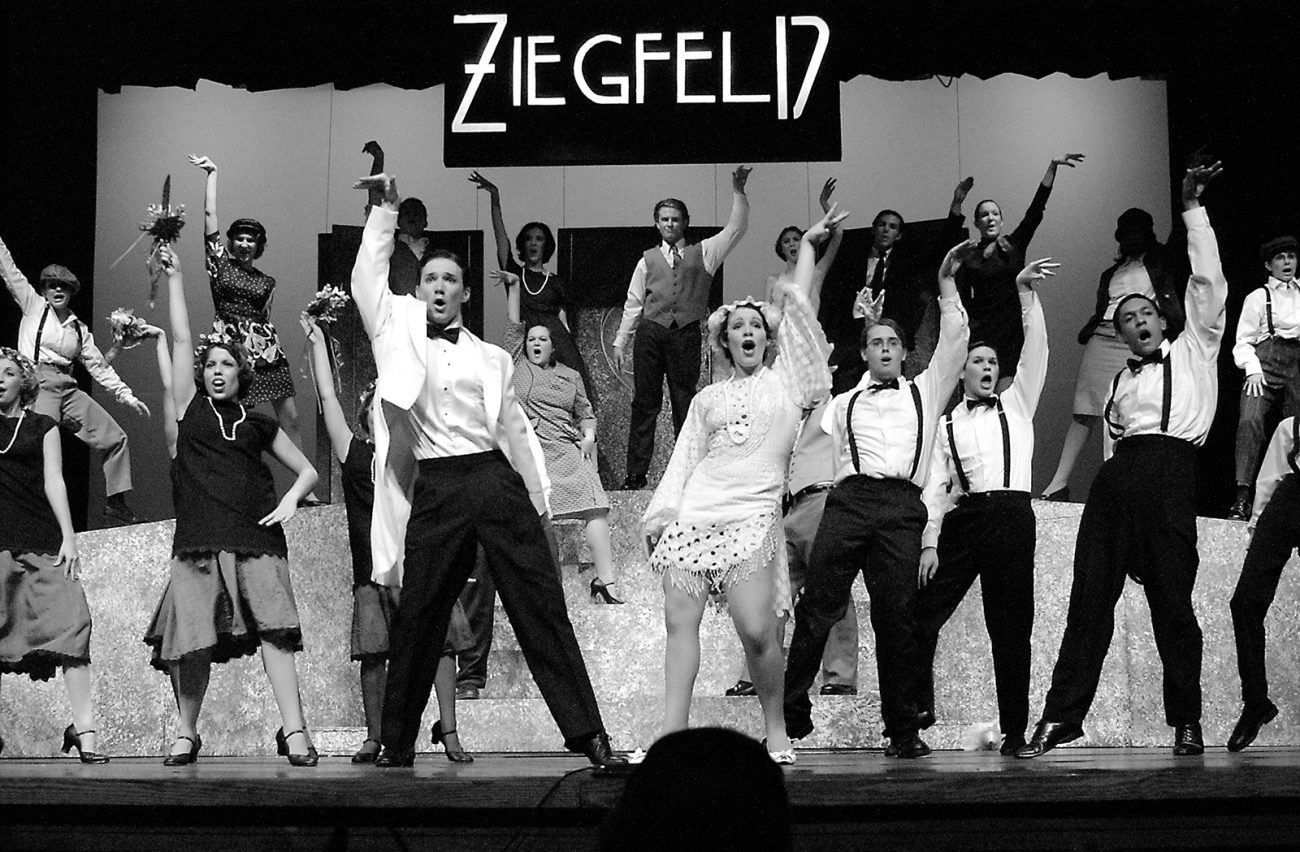
College Night at the University of Montevallo, in Montevallo, Shelby County, is one of the oldest continuous homecoming celebrations in the United States. Dating from 1919, College Night was named a Library of Congress Local Legacy in 2000 and has been featured as a clue twice on the television game show Jeopardy! Held each February, this unusual homecoming event pits teams of "Golds" and "Purples," each side representing a school color, against each other for a week-long competition in sports, cheer activities, and theater.
College Night began in March 1919 when the then all-female student body presented stunts or skits, poems, impersonations, and tributes, with the seniors, juniors, sophomores, and freshmen all competing against each class. In 1921, the event transformed into a competition pitting the Gold Side against the Purple Side to mark the 25th anniversary of the school's founding. Rather than representing their respective classes, students would declare an interest in participating in College Night and would be assigned to either the Purple or Gold side. Fortunately, this practice did not endure; in subsequent years, students were allowed to choose their side. Show plots remained secret until the first night’s performance. The competition between Purple and Gold and the secrecy around the details of each performance continue to this day. The Gold Side won in 1921, followed by a 1922 Purple victory, thus beginning a highly competitive tradition that endures. Early in its history, the leaders of the winning team presented the school with a gift, such as a new class banner or visitor guest book.
Early student participation was high, with a surviving record suggesting as many as 500 people were turned away from purchasing tickets for the 1931 show. From 1919 to 1924, the campus dining hall served as the stage, after which the festivities moved to the theater in Reynolds Hall. Palmer Hall, completed in 1930, has served as the host venue since that time. Early show examples include the 1932 Purple skit Unexpected Landing of Noah and His Ark, a short play envisioning Noah’s Ark landing on top of a hotel in Birmingham, and the 1942 Gold staging of Ghoul Drool, a tale of a mansion filled with ghosts and jewel thieves trying to hold the police at bay. Team sports became a part of the College Night competition in 1929. Field hockey was the sport of choice, and the Gold Side won the first match, 2-1. Basketball replaced field hockey as the most popular sport in 1940. When men were first admitted to Montevallo in 1956, athletic events expanded to include men's and women's basketball and volleyball. Basketball and soccer are currently the most popular sports on College Night.
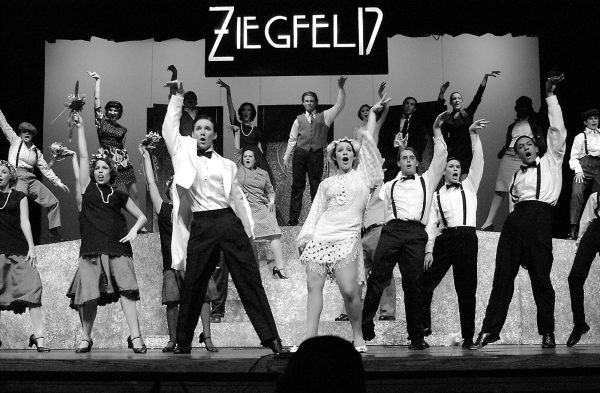
The 1930s were a decade of evolution for College Night. Both sides held evening performances from Thursday through Saturday, with Thursday nights reserved for college faculty and staff and also the general public. The school began charging admission, a quarter for adults and ten cents for children. Finally, both sides ended the longstanding practice of buying gifts for the institution and instead began endowing scholarships and offering loans to students in financial need. In 1940, Montevallo administrators designated College Night the school's official homecoming activity, although it had long served in this capacity unofficially. In 1950, College Night adopted a new, more simplified format, with each side producing a single show incorporating aspects of comedy, drama, dance, and music that was staged over multiple nights.
Over the next few decades, College Night expanded to include a Wednesday night show, which served as a dress rehearsal in front of a live audience and provided the opportunity to make last-minute changes to the show. Production books, which document each side’s achievements during College Night, serve as the official record for each annual campaign. All components are managed by a university committee composed of selected faculty and staff members, current Gold and Purple leaders, and representatives from the Student Government Association, with three outside judges selected from the southeastern theater community to assess the shows. In addition to the shows, athletics, cheer competitions, sign raisings (billboards related to the productions), and production books receive scores. All points are tallied together to produce a final score for each side, with the winner announced at the conclusion of the Saturday night performances.
In 2000, former Rep. Spencer Bachus of Alabama's Sixth Congressional District submitted College Night to the Library of Congress as a Local Legacy. This initiative marked the 200th anniversary of the Library of Congress by documenting and preserving unique traditions from around the United States. The university celebrated the 100th anniversary of the College Night tradition in 2019.