Penrose Stout
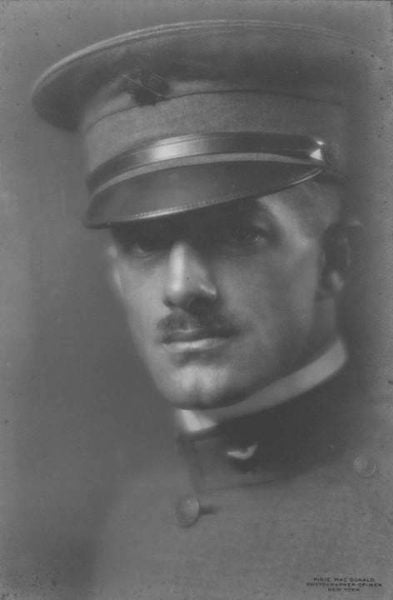
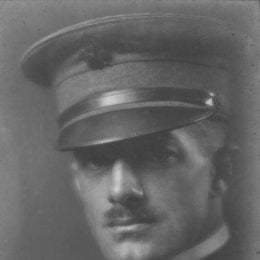
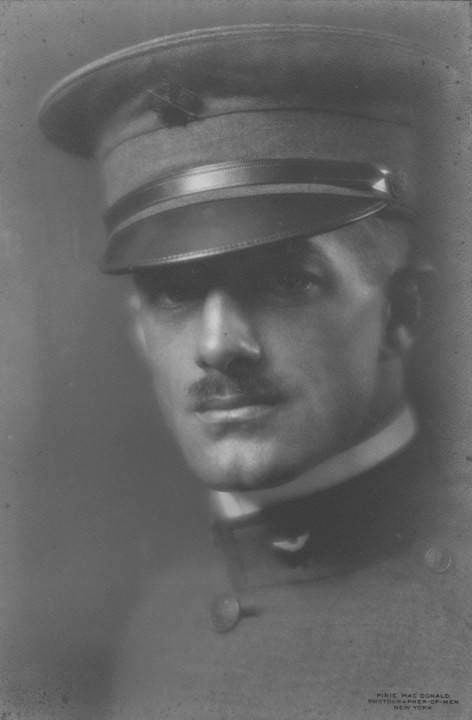
Montgomery native Penrose Vass Stout (1887-1934) was a World War I veteran and notable architect in New York. During World War I, he served in the Air Service as a fighter pilot, was wounded while engaged in a dogfight over France, and received the Distinguished Service Cross. After the war, he returned to New York, where he became known for designing and building residences and other buildings in Westchester County. His most famous building, the Bronxville Women’s Club, was placed on the National Register of Historic Places in 2007.
Stout was born on February 28, 1887, in Montgomery, Montgomery County, to Robert Platt Stout and Zemula Vass Lawton. His father was a cotton broker; his income was considered “modest” according to recent histories of Stout. He spent his early life in Montgomery with his younger siblings. Stout began attending Alabama Polytechnic Institute (API, present-day Auburn University) in 1904 or so, as a sophomore. As with all other male students at API, he was in the corps of cadets, where he earned the rank of cadet lieutenant. He earned two bachelor’s degrees at API, the first in civil engineering, perhaps by 1908, and the second in the newly established architecture program in 1909. Even then, Stout was noted for his artistic abilities, and several of his sketches appear in the 1905 API yearbook. Stout later worked in an architecture practice in Pensacola, Florida, until 1912 or so, and then moved to New York City to continue his work.
As Europe plunged into World War I, Stout was living in Bronxville, New York. Approximately two weeks before the United States declared war on Germany, on April 6, 1917, Stout tried to enlist in the U.S. Army Air Service to become a pursuit pilot, as early fighter pilots were known. He was rejected on several occasions. At 30 years old, he was considered too old, and he had failed the required hearing tests. Instead, he volunteered for the Officer Candidate School at Plattsburg, New York, and was eventually selected for training as an Air Service pilot at the U.S. School of Military Aeronautics at Princeton University, where he excelled. He completed training around mid-September and was sailing toward Europe soon after. Having received more training in France, and often in French, he was commissioned as a first lieutenant by March 1918 and was tasked with more training and ferrying new planes to bases.
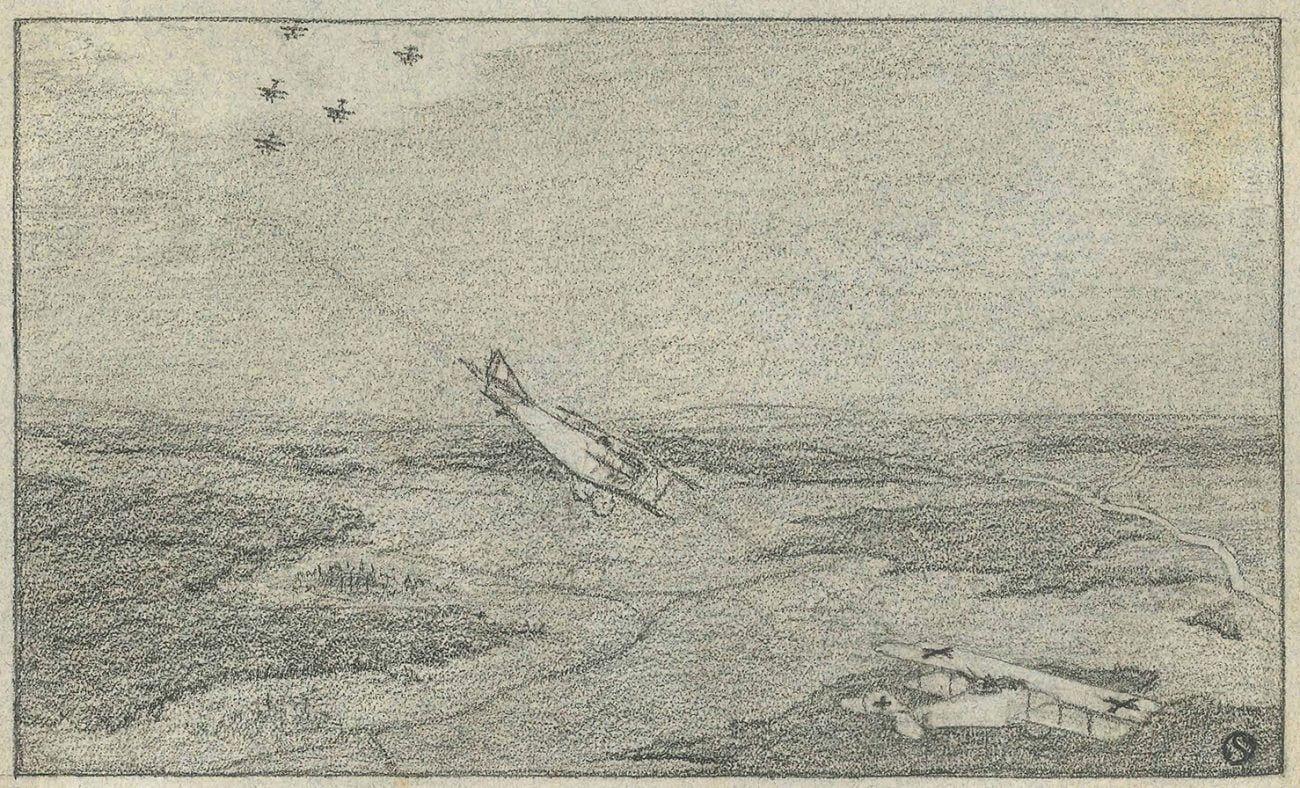
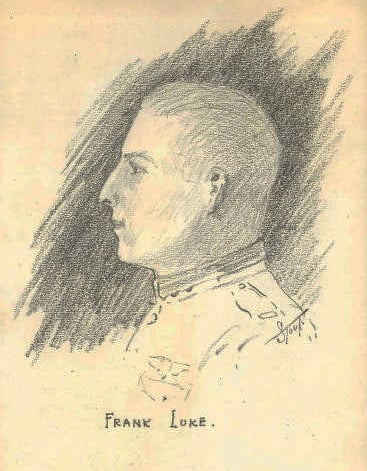
Through his brother-in-law, who served in the 27th Aero Squadron under the 1st Pursuit Group, Stout met the 27th commander, who requested his transfer to the unit, which he eventually joined. In late August, Stout went to the front, stationed at Rembercourt Aerodrome, about ten miles south-southeast of Verdun. Also in the 1st were two of the most notable American pilots of the war, Eddie Rickenbacker and Frank Luke, whose go-it-alone attitude Stout disliked. Stout maintained a sketchbook detailing his time in the 27th, with sketches of aircraft, air combat, daily life in the military, and fellow pilots and crewmen, and Luke was the subject of one of his sketches. Luke later died in combat after crash landing and was the only American pilot to be awarded the Medal of Honor.
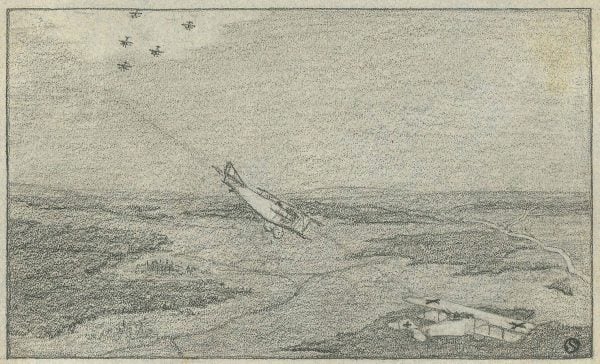
Airplanes were still a relatively new technology, with the Wright brothers' famous first flight taking place only in 1903. World War I became the first major conflict to see frequent air-to-air combat. As a fighter pilot, Stout saw action in France at the Battle of St. Mihiel in September 1918 and the Meuse-Argonne Offensive, which lasted from September 1918 to the end of the war on November 11, 1918. (Stout’s sketch depicting the Americans’ Meuse-Argonne Campaign’s opening artillery barrage from the air is notable for perhaps being the only image of the event from the air.) On the afternoon of September 28, 1918, his plane had mechanical trouble and took off after the rest of the patrol. While on this solitary patrol, Stout began engaging with enemy artillery. However, Stout soon found himself under attack from five German planes, along with infantry and anti-aircraft fire from the ground. Dogfights, in which opposing aircraft fought each other using machine guns mounted on their planes, were a common feature of World War I aerial combat. During this dogfight, his plane was damaged and Stout was wounded in the shoulder and chest but was able to return to base. For his bravery that day, Stout received the Distinguished Service Cross, the U.S. Army’s second-highest award for soldiers displaying heroism in combat. He returned from France in January 1919 and remained in the service until his honorable discharge on February 10, 1919. He never downed an enemy aircraft.
After the war, Stout moved in with his cousin Frank Chambers and his wife Kate in Bronxville, New York, where he resumed his work as an architect. While living in Bronxville in 1919, Stout met Lucia Meigs after a Sunday service at the Reformed Church of Bronxville. Meigs was the granddaughter of William Van Duzer Lawrence, a prominent real estate and pharmaceutical businessman who led the development of Bronxville and later founded Sarah Lawrence College. Stout and Meigs became engaged on October 1, 1920, and then married on May 14, 1921. At the time of the marriage, Stout was working for well-known architect Harrie T. Lindeberg. In the fall of 1921, he started his own firm, which became successful and would employ numerous draftsmen by the end of the decade. The couple would later have three children.
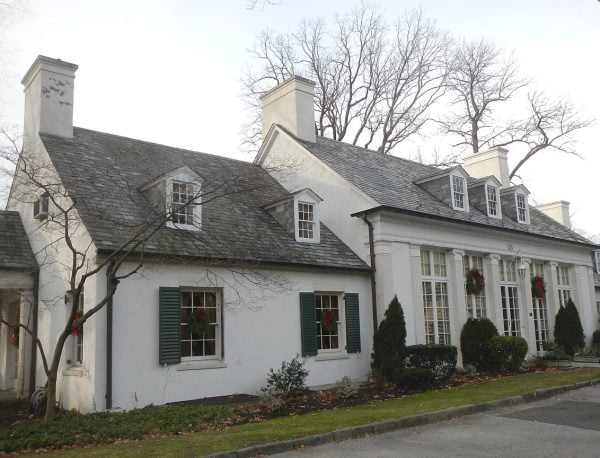
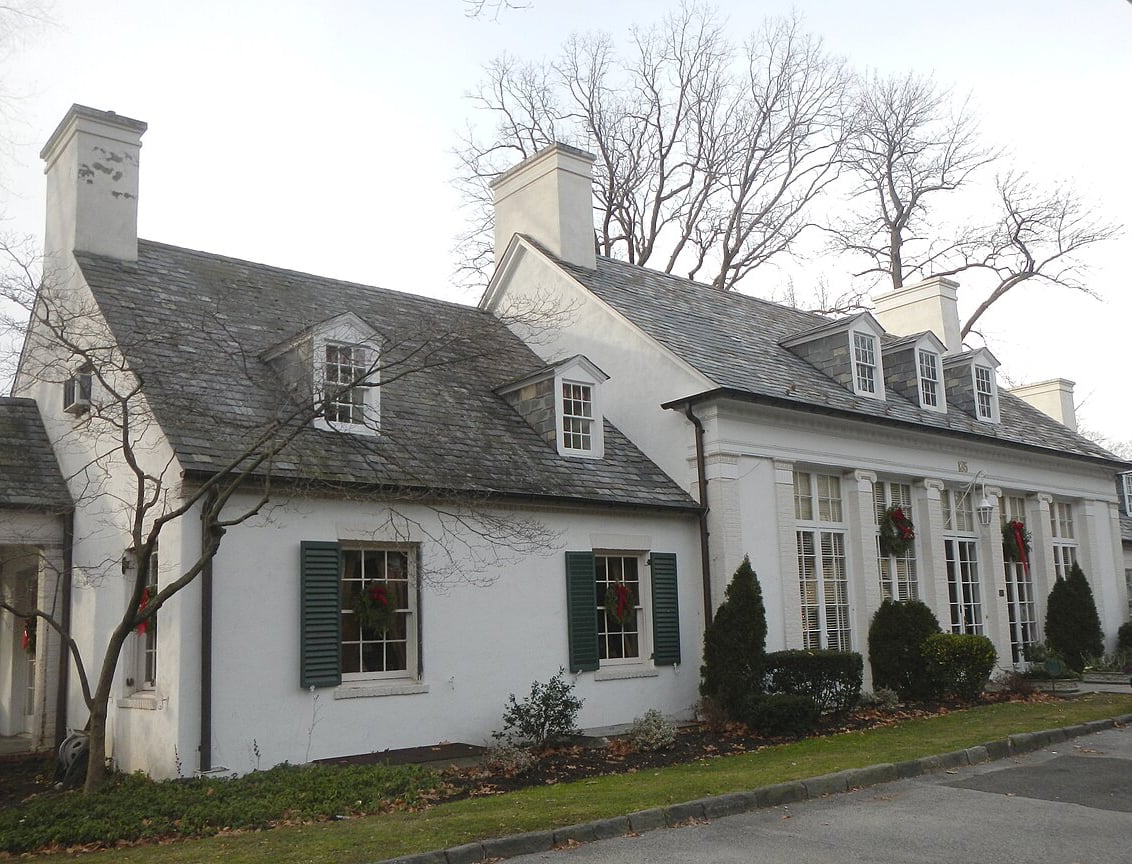
While living and working in Bronxville, Stout designed multiple buildings and residences, including the cluster of English-style townhouses known as Merestone Terrace, the Mediterranean-style Park Avenue Terrace community, and the Colonial-style Meadow Gardens housing complex. He also designed numerous residences for Lucia’s relatives in the Lawrence family and for Harrie Lindeberg. One of those was a Tudor-style home for Arthur and Virginia Lawrence, which was purchased by Sarah Lawrence College in 1935 and is known as Andrews House. He designed two homes for his family, a summer house on Big Wolf Lake in the Adirondack Mountains and a home in Bronxville. Near his Bronxville home was the Bronxville Women’s Club, which was one of Stout’s most notable buildings. Constructed around 1927-28 in the Colonial Revival style, the building served as a gathering place for the group’s members. The organization was founded in 1925 with 176 women enrolled. The right of American women to vote had only become recognized with the Nineteenth Amendment a few years earlier, in 1920. Buildings like the Bronxville Women’s Club became vital political centers, as well as places to host cultural or educational events. The building combined Stout’s personal creativity with early American, Mediterranean, and Art Deco architectural styles. His design blended the building into the hilly and rocky landscape. The building was added to the National Register of Historic Places in 2007, and it continues to host the organization today.
The Great Depression brought hard times for the Stout family, and they rented out their home and moved in with Lucia’s well-to-do parents. Lucia describes the hardships the family endured as work for Stout waned in her autobiography, Switchback. On October 24, 1934, Stout died in Boston, Massachusetts. Much of his work, including his sketchbook from his time in the war, and letters, many to his mother while in France, are housed at the Alabama Department of Archives and History (ADAH) and the Bronxville History Center. In 2017, the ADAH and the Montgomery Museum of Fine Arts collaborated on an exhibition of Stout’s drawings.
Additional Resources
- Jakeman, Robert, J. “From Alabama to the Skies of France, 1917–1918: Penrose Vass Stout’s Improbable Journey.” Alabama Review 70 (October 2017): 291-315.