Drummond Company

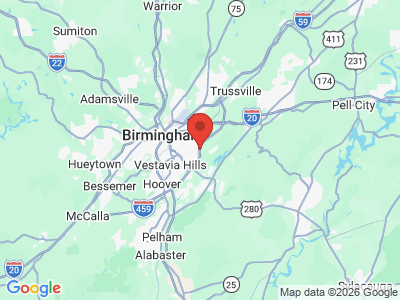
Drummond Company, a privately owned corporation headquartered in Birmingham, Jefferson County, is one of the largest coal producers in the United States. In addition to mining and processing coal, the company has interests in coke production, oil, real estate development, and international mining operations. Named for the founder Heman Edward Drummond and operated since by the family, the company became embroiled in a variety of legal cases over the years but is also noted for its philanthropic work.
Drummond Company was founded in Jasper, Walker County, in 1935 by Heman Edward Drummond (1905-1956) during the Great Depression. From the 1920s into the 1930s, Drummond worked for the DeBardeleben Coal Corporation; he later began mining coal on family land in nearby Sipsey, Walker County, borrowing $300 from Walker County Bank to finance the operation. In its earliest years, the company relied on mule-drawn carts to haul coal from underground mines to provide coal for farms and households. Following Heman Drummond's death in 1956, two of his seven children assumed leadership of the company. Donald “Don” Drummond (1929-2006) became president of the company’s coal division, while Segal Edward Drummond (1931-2010) served as vice president of sales and finance after leaving a promising minor league baseball career. The company's continued growth was financed through a $50,000 life insurance payout and a $240,000 loan from the U.S. Small Business Administration. In 1961, Don and Segal's brother, Garry Neil Drummond (1938-2016), joined the company as its first engineer after graduating from the University of Alabama (UA). He later founded several mining-related organizations and served on the UA board of trustees for many years as well as on the boards of several Alabama business interest groups and on the executive board of the Boy Scouts of America.
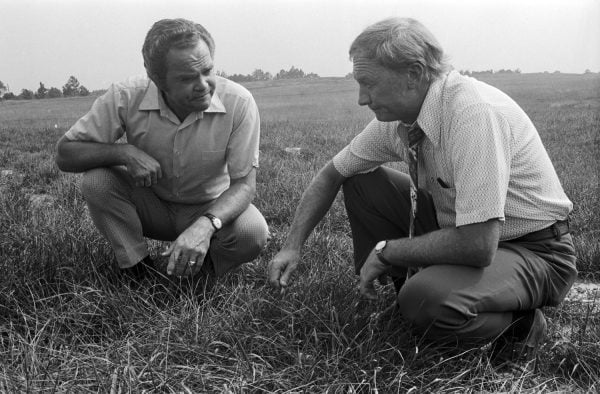
During the 1960s, Drummond expanded rapidly. Annual coal production increased from approximately 200,000 tons to 1.5 million tons through the acquisition of Kellerman Mining Company in Tuscaloosa County. Garry Drummond negotiated the company's first long-term export deal to deliver $100 million worth of coal for 10 years with Japan in 1969. He became chief executive officer in 1973, while his brother Elbert Allen "Larry" Drummond (1943-2012) was named vice chairman. Larry became involved in domestic and international coal sales and assisted with the agreement with Japan. He had graduated from UA with a commerce and business administration degree, a graduate degree in accounting, and a law degree. He also served on various boards and was noted as the director of the Black Warrior Council of the Boy Scouts of America. Several of the brothers were considered among the wealthiest men in Alabama. Heman, Garry, and Elbert were all inducted into the Alabama Business Hall of Fame.
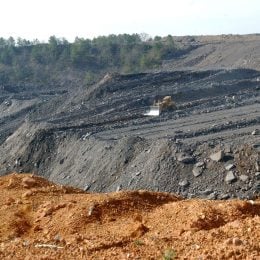
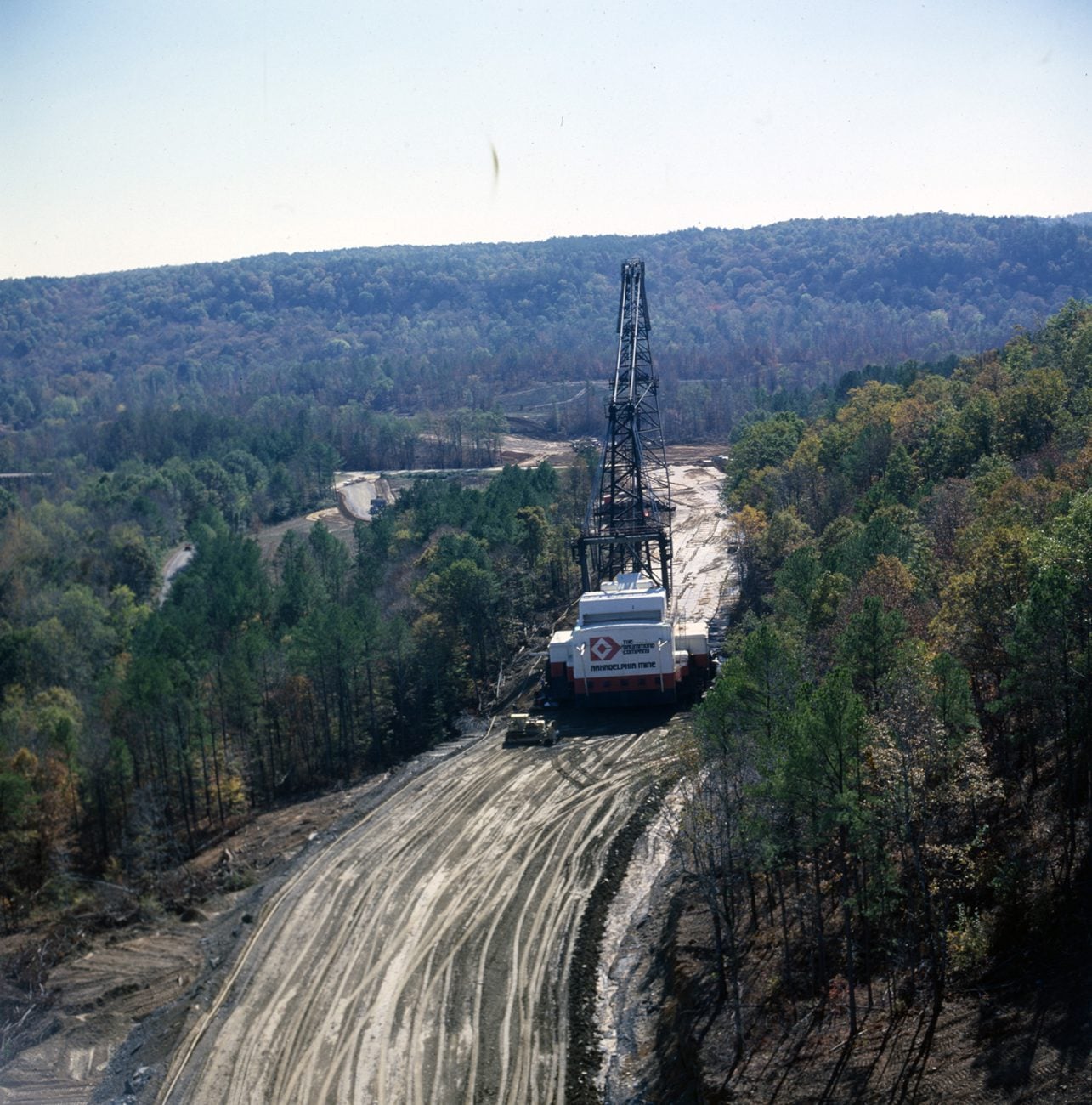
In 1976, Drummond signed a 15-year contract with Alabama Power Company to supply approximately two million tons of coal annually to the utility's Miller Steam Plant in Jefferson County. To meet the increased demand, the company expanded mining operations in Walker County, investing in three 115-cubic-yard walking dragline mining machines, variously described as colossal and massive, significantly expanding its surface mining capacity. In 1992, Drummond acquired Wyoming's Caballo Rojo Mine, increasing annual coal production from approximately eight million to seventeen million tons.
During the 1980s and 1990s, Drummond expanded beyond the United States through major investments in Colombia's coal industry. In 1986, the company secured the rights to the Pribbenow mine there, marking the beginning of its South American operations. Commercial production began in 1995. Between 1993 and 1997, Drummond expanded its Colombian operations by constructing a mine and export port and acquiring rights to the El Descanso mine, which contained more than 1.7 billion tons of coal reserves. Production at El Descanso began in 2009. As of 2024, the Pribbenow and El Descanso mines produced bituminous coal and accounted for half of South America's coal production, exporting to 11 countries. Indeed, by the early twenty-first century, Drummond had become Colombia's second-largest producer of thermal coal.
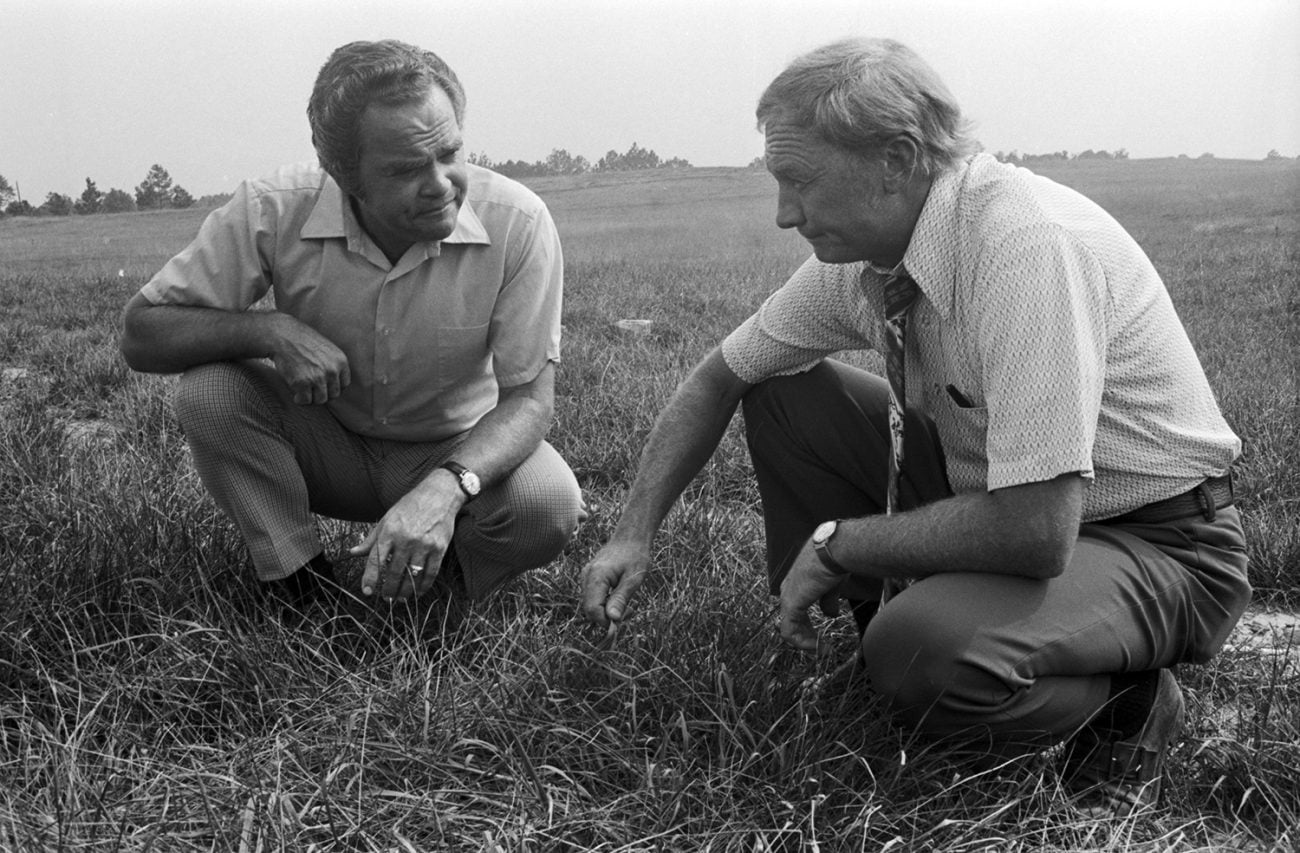
In addition to its mining operations, the company owns Alabama By-Products Corporation (ABC Coke) in Tarrant, Jefferson County, the nation's largest producer of foundry coke. Drummond has also diversified into residential real estate development, creating several master-planned communities, including the 3,300-acre mixed-use Liberty Park development in Vestavia Hills, Jefferson County, featuring the popular private Old Overton Golf Course; Oakbridge, a $500 million residential, commercial, professional office, and business park community in Lakeland, Florida; and Rancho La Quinta and Andalusia at Coral Mountain in La Quinta, California, a 700-acre golf-oriented residential development near Palm Springs. Among its many philanthropic endeavors, the company has also been long involved in land reclamation and reforesting efforts, transforming dozens of former mines for other uses and planting millions of trees. The Drummond family is heavily involved with Samford University in Birmingham, and Auburn University, in Auburn, Lee County, with several members serving as trustees and board members of each university. A new Auburn University College of Human Sciences building under construction, the Barbara Drummond Thorne Academic and Research Facility, is named for Heman Drummond’s daughter, Barbara Thorne. It is set to open in the fall of 2027, while the Barbara Drummond Thorne Hall residence building at Samford opened in 2013. In addition to their university contributions, members of the Drummond family are philanthropically involved with the Alabama 4-H Foundation and the Exceptional Foundation.
The company's leadership became embroiled in the first of several scandals in 1979 when Garry Drummond, Larry Drummond, and executive Clyde Black were indicted on charges of bribing three Alabama legislators: State Representative Jack Biddle III and former state senators Joe L. Fine and Eddie Hubert Gilmore, and former vice president of the Alabama Power Company Walter F. Johnsey, by providing football tickets, airplane trips, and prostitutes in exchange for political favors. The case also listed charges of extortion, mail fraud, and racketeering. After a three-month trial, U.S. District Judge Frank McFadden dismissed the case in 1980.
Beginning in the early 2000s, Drummond became the subject of a series of high-profile legal disputes related to its Colombian operations. In 2001, three Colombian labor union leaders employed by Drummond were murdered at various times by paramilitary gunmen. In 2003, the widows and children of the three filed Estate of Rodriguez v. Drummond Co. in U.S. federal court. The plaintiffs alleged that the company had supported right-wing paramilitary organizations responsible for the killings. In 2009, a federal jury found in favor of Drummond, concluding that the company was not liable for the deaths. The company faced additional scrutiny in 2013 after Colombian journalist and lawyer Alejandro Arias published photographs showing coal being dumped into the Caribbean Sea near the port of Santa Marta. Colombian authorities temporarily suspended portions of Drummond's operations and fined the company $3.6 million for environmental violations.
In 2015, Drummond filed a Racketeer Influenced and Corrupt Organizations Act (RICO) lawsuit against attorneys Terrence P. Collingsworth and William R. Scherer, the advocacy organization International Rights Advocates, and Dutch businessman Albert van Bilderbeek. Collingsworth had previously accused company executives of ordering the murder of the three Colombian union officials. The company alleged that the defendants had fabricated evidence and orchestrated fraudulent claims connecting Drummond to the Colombian paramilitary organization Autodefensas Unidas de Colombia (AUC) during the Rodriguez litigation. After 13 years of related litigation, the U.S. District Court for the Northern District of Alabama ruled in Drummond's favor, awarding the company $256 million in damages, one of the largest civil judgments in Alabama history.
Drummond also became involved in a separate public corruption investigation in Alabama. In 2018, the company's former vice president of government affairs, David Roberson, was sentenced to two and a half years in federal prison and fined $25,000 for his role in a bribery scheme intended to oppose the expansion of an Environmental Protection Agency (EPA) Superfund cleanup site in Jefferson County. Roberson and attorney Joel Gilbert were convicted of bribing former NBA player and Alabama legislator Oliver Robinson to publicly oppose the EPA's cleanup efforts. Drummond-owned ABC Coke was among several companies that could have been responsible for the pollution, which included arsenic, lead, and other harmful substances, potentially exposing the company to millions of dollars in fines and cleanup costs.
After leading the company for more than four decades, Garry Drummond died in 2016. Widely regarded as one of the most influential figures in the American coal industry, he oversaw Drummond's transformation from a regional mining company into an international producer. Under his leadership, Drummond Company was inducted into the Alabama Engineering Hall of Fame in 2007. Richard Mullen, formerly president of mining, became the company's chief executive officer in 2016.
Additional Resources
- Flynt, Wayne. Mine, Mill, and Microchip: A Chronicle of Alabama Enterprise. Northridge, Calif.: Windsor Publications, 1987.