Alabama Renaissance Faire

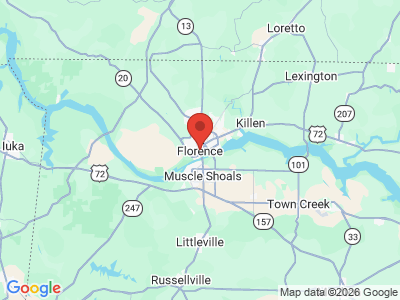
The Alabama Renaissance Faire was founded in 1987 in Florence, Lauderdale County, with the mission of educating the public about the Medieval and Renaissance eras through entertainment and reenactment. In February 1988, a the Alabama House and Senate passed a resolution that then was signed by the Gov. Guy Hunt designating the Alabama Renaissance Faire in Florence as Alabama’s “official renaissance faire.” Since then, the event has developed into a major tourist attraction in northwest Alabama. Regularly named one of the top 20 fall events in the Southeast by the Southeast Tourist Society in Roswell, Georgia, the fair is held on the fourth Saturday and Sunday in October in Wilson Park (renamed Fountain-on-the-Green for the two days of the fair). In recent years, as many as 50,000 people have attended over the course of the weekend.

The Alabama Renaissance Faire is planned and executed by an all-volunteer group known as the Roundtable, which includes a board of directors composed of 18 people who serve three-year terms and who meet quarterly to guide the overall planning and set policy. There are no limits to the number of members in the Roundtable. The event is financed primarily through the fees that vendors pay for space. Any profits are added to the organization’s treasury to provide additional funds for the event. The City of Florence provides liability coverage and overnight security for the weekend and allows free use of the Florence-Lauderdale Coliseum for our annual feast, which takes place on the third Saturday of October. The city of Florence also declares the month of October to be Renaissance Month each year.
 Renaissance Fairy
The Renaissance Faire’s yearly cycle begins in the spring, with an annual statewide poster contest to determine that year’s official logo. People from across Alabama submit entries, with the winning artist receiving $500. The image is then used to promote the event throughout the year on posters, T-shirts, and other products. A number of other events take place during the weeks before the fair, including Renaissance-related music programs, public lectures, dramatic performances, art exhibits, and dance programs. One of the major events is the annual Renaissance Feast, held on Saturday evening a week before the start of the fair in the Florence-Lauderdale Coliseum. The feast, which features a four-course meal and period entertainment, provides attendees with the opportunity to bring their own decorations, tableware, and eating utensils. The monarch chooses the favorite table to receive two free tickets to the following year’s feast. The feast also encourages audience participation with dancing and competitions, in addition to featured performers.
Renaissance Fairy
The Renaissance Faire’s yearly cycle begins in the spring, with an annual statewide poster contest to determine that year’s official logo. People from across Alabama submit entries, with the winning artist receiving $500. The image is then used to promote the event throughout the year on posters, T-shirts, and other products. A number of other events take place during the weeks before the fair, including Renaissance-related music programs, public lectures, dramatic performances, art exhibits, and dance programs. One of the major events is the annual Renaissance Feast, held on Saturday evening a week before the start of the fair in the Florence-Lauderdale Coliseum. The feast, which features a four-course meal and period entertainment, provides attendees with the opportunity to bring their own decorations, tableware, and eating utensils. The monarch chooses the favorite table to receive two free tickets to the following year’s feast. The feast also encourages audience participation with dancing and competitions, in addition to featured performers.
 Renaissance Faire Musicians
A primary goal of the Renaissance Faire is to educate visitors about the Renaissance period, and organizers include a number of activities to encourage the involvement of students. Among them is an annual art contest for students in grades K-6 that centers on subject matter related to the period, and a yearly sonnet-writing contest for students in grades 7-12 to commemorate the invention of the sonnet by Italian Renaissance poet Petrarch (Francesco Petrarca). The fair hosts a chess tournament for all ages, as well as open chess play throughout the weekend. A photography contest for professional and amateur photographers highlights the variety of costumes worn by attendees of the feast and fair and documenting the many activities.
Renaissance Faire Musicians
A primary goal of the Renaissance Faire is to educate visitors about the Renaissance period, and organizers include a number of activities to encourage the involvement of students. Among them is an annual art contest for students in grades K-6 that centers on subject matter related to the period, and a yearly sonnet-writing contest for students in grades 7-12 to commemorate the invention of the sonnet by Italian Renaissance poet Petrarch (Francesco Petrarca). The fair hosts a chess tournament for all ages, as well as open chess play throughout the weekend. A photography contest for professional and amateur photographers highlights the variety of costumes worn by attendees of the feast and fair and documenting the many activities.
The two-day fair itself features dancers, musicians playing period instruments and singing Renaissance ballads, sword fights, jugglers, jesters, a troll, a theater troupe, a children’s play area, and the coronation of the new year’s ruling “monarch,” determined by who finds a coin hidden in a cookie served at the feast. Period food, including breads and pastries, and souvenirs, such as costumes, mugs, baskets, hand-crafted chainmail, and swords, are offered for sale.