Horses in Alabama
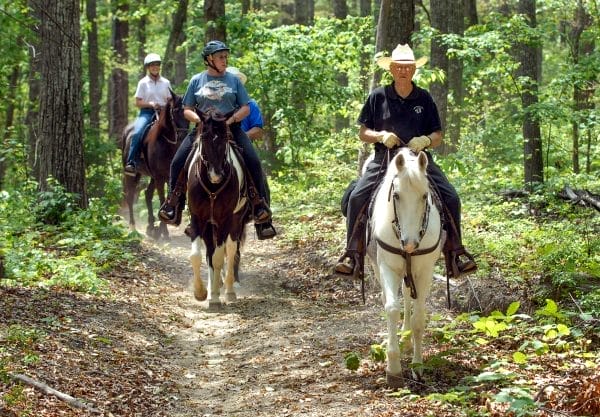 Trail Riders
Horses were an essential part of the early settlement of Alabama, providing labor, transportation, and food for people, and horses continue to play an important role in the state’s social life and economy. It is estimated that approximately 5 percent of Alabama households have some connection to horses and that there are more than 186,000 equines (horses, donkeys, and mules) in the state. The rapidly growing horse industry currently contributes many millions of dollars to state and local governments. The racking horse, a gaited pleasure horse, is Alabama’s official state horse.
Trail Riders
Horses were an essential part of the early settlement of Alabama, providing labor, transportation, and food for people, and horses continue to play an important role in the state’s social life and economy. It is estimated that approximately 5 percent of Alabama households have some connection to horses and that there are more than 186,000 equines (horses, donkeys, and mules) in the state. The rapidly growing horse industry currently contributes many millions of dollars to state and local governments. The racking horse, a gaited pleasure horse, is Alabama’s official state horse.
Breeds
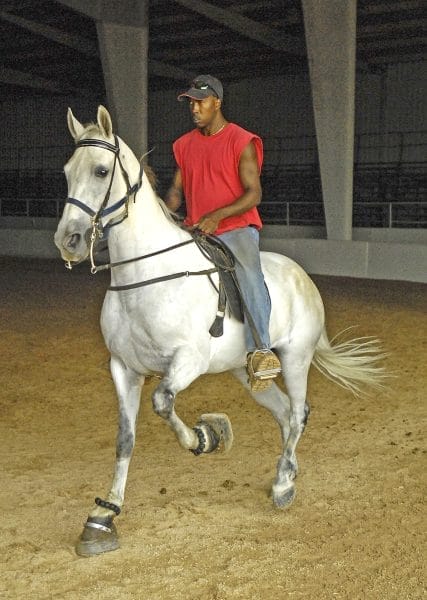 Racking Horse
The first horses in Alabama were brought in by European explorers and white settlers and were probably as diverse as their owners’ origins. Over time, equine numbers in Alabama grew as horses were used increasingly for work, transportation, and entertainment. Horse racing flourished in the nineteenth century around Huntsville and at the state fairs in Birmingham. After World War I, horses and mules gradually declined in numbers as mechanization took hold in agriculture and industry. The horse industry reached a low point in the 1950s, and by the 1960s there were only 3 million horses in the United States. Today, increased leisure time and expendable income and recognition of the importance of outdoor activities for young people have swelled the U.S. horse population to approximately 9.2 million.
Racking Horse
The first horses in Alabama were brought in by European explorers and white settlers and were probably as diverse as their owners’ origins. Over time, equine numbers in Alabama grew as horses were used increasingly for work, transportation, and entertainment. Horse racing flourished in the nineteenth century around Huntsville and at the state fairs in Birmingham. After World War I, horses and mules gradually declined in numbers as mechanization took hold in agriculture and industry. The horse industry reached a low point in the 1950s, and by the 1960s there were only 3 million horses in the United States. Today, increased leisure time and expendable income and recognition of the importance of outdoor activities for young people have swelled the U.S. horse population to approximately 9.2 million.
Alabama’s equine population has mirrored this national decline and rebound. Because Alabama traditionally was an agricultural state with large landholdings, easy-gaited riding horses historically have been popular breeds in the state. More recently, the nationwide popularity of the American quarter horse has propelled this breed into the lead in terms of horse numbers in the state, with more than 49,000 quarter horses registered to Alabama owners. Quarter horses are used as show horses, ranch horses, pleasure mounts, and short-distance race horses. Other popular breeds in Alabama are the smooth-gaited Tennessee walking horse and the racking horse.
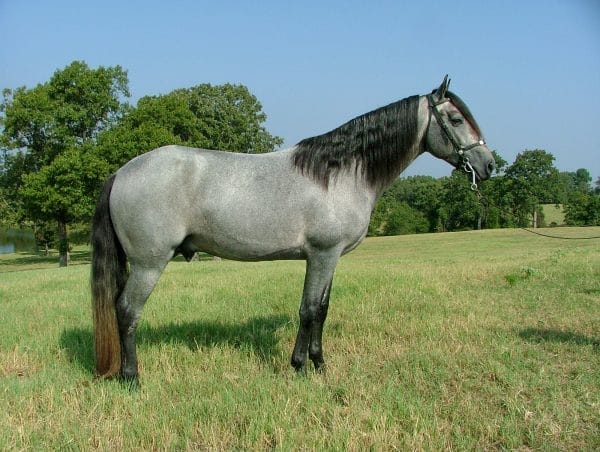 McCurdy Plantation Horse
These breeds are the traditional plantation horses and today are popular as show horses, trail and pleasure horses, and field trial mounts throughout the state. Alabama is home to practically every American breed of riding horse, as well as many breeds developed in other countries. Alabama also is enjoying a resurgence of draft horse breeds and mules, which are used to pull wagons and perform at fairs and agricultural activities throughout the state. Alabamians were instrumental in the formation of two horse breeds: the McCurdy Plantation Horse, which was developed in Lowndes County in west-central Alabama from Tennessee walking horse stock, and the racking horse, which was developed from the Tennessee walking horse. In 1971, the breed was recognized as distinct, and Alabama horse owners were influential in the formation of the Racking Horse Breeders’ Association of America, headquartered in Decatur, Morgan County.
McCurdy Plantation Horse
These breeds are the traditional plantation horses and today are popular as show horses, trail and pleasure horses, and field trial mounts throughout the state. Alabama is home to practically every American breed of riding horse, as well as many breeds developed in other countries. Alabama also is enjoying a resurgence of draft horse breeds and mules, which are used to pull wagons and perform at fairs and agricultural activities throughout the state. Alabamians were instrumental in the formation of two horse breeds: the McCurdy Plantation Horse, which was developed in Lowndes County in west-central Alabama from Tennessee walking horse stock, and the racking horse, which was developed from the Tennessee walking horse. In 1971, the breed was recognized as distinct, and Alabama horse owners were influential in the formation of the Racking Horse Breeders’ Association of America, headquartered in Decatur, Morgan County.
Organizations and Associations
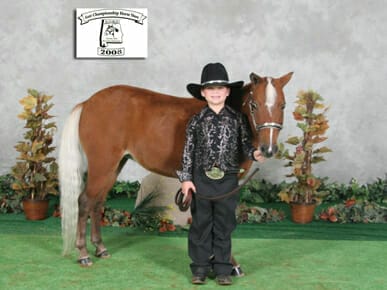 AOHA Halter Winner
Alabama horse owners, riders, enthusiasts, and breeders come together in a wide variety of equine organizations categorized by breed, activity, or locality. The Alabama Open Horseman Association, an organization that represents Western, English, and gaited-horse riding disciplines, is an association of grassroots horse clubs formed in 1988. It is the largest horse show organization in Alabama, with 16 affiliated associations hosting 256 shows in the state. Its activities culminate in the State Championship Horse Show, held in Montgomery each year over Labor Day weekend, at which State Champion horses are chosen. There are additional large and small horse clubs in the state affiliated with various breed organizations, such as the Alabama Quarter Horse Association, or with specific horse activities, such as the Montgomery Area Dressage and Combined Training Association, the Alabama Trail Ride Association, and 4-H Horse Clubs. The Alabama Horse Council trade association was formed in 1995 to represent all segments of Alabama’s horse industry by promoting fair legislation affecting horse use, improving state equestrian facilities, increasing public understanding of horses, and enhancing the contribution of horses to the quality of life. The Alabama Horse Council provides educational services to horse owners in the state, hosts the annual Alabama Horse Fair in Montgomery, and subsidizes many equine educational activities in the state. In 2007, in response to the increasing interest in horses in Alabama and the contribution of horses to the agricultural economy of the state, the Alabama Farmers Federation formed a horse commodity group.
AOHA Halter Winner
Alabama horse owners, riders, enthusiasts, and breeders come together in a wide variety of equine organizations categorized by breed, activity, or locality. The Alabama Open Horseman Association, an organization that represents Western, English, and gaited-horse riding disciplines, is an association of grassroots horse clubs formed in 1988. It is the largest horse show organization in Alabama, with 16 affiliated associations hosting 256 shows in the state. Its activities culminate in the State Championship Horse Show, held in Montgomery each year over Labor Day weekend, at which State Champion horses are chosen. There are additional large and small horse clubs in the state affiliated with various breed organizations, such as the Alabama Quarter Horse Association, or with specific horse activities, such as the Montgomery Area Dressage and Combined Training Association, the Alabama Trail Ride Association, and 4-H Horse Clubs. The Alabama Horse Council trade association was formed in 1995 to represent all segments of Alabama’s horse industry by promoting fair legislation affecting horse use, improving state equestrian facilities, increasing public understanding of horses, and enhancing the contribution of horses to the quality of life. The Alabama Horse Council provides educational services to horse owners in the state, hosts the annual Alabama Horse Fair in Montgomery, and subsidizes many equine educational activities in the state. In 2007, in response to the increasing interest in horses in Alabama and the contribution of horses to the agricultural economy of the state, the Alabama Farmers Federation formed a horse commodity group.
Activities
 Show Jumping
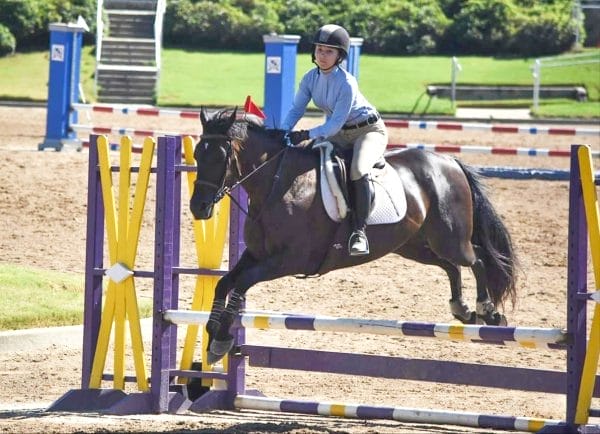
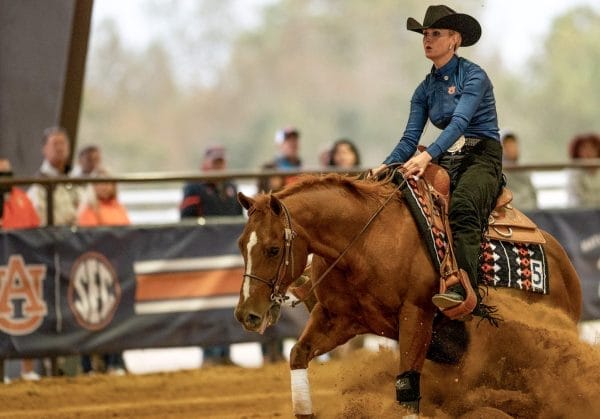
Alabama horse enthusiasts participate in a wide range of activities. Trail riding is the most popular recreational use for horses in the state, and all breeds of horses can participate in this activity. Horse shows, whether for a specific breed or specialized activity or open to any horse and rider, occur throughout the year in Alabama. In addition, nearly 90 rodeos are held in the state. Riders in Western disciplines compete in barrel racing, reining, cutting, team penning, and other events. In the English discipline, the traditional Olympic equestrian activities of show jumping, dressage, and three-day eventing, in addition to hunt-seat and equitation competitions, are gaining in popularity in the state. Traditionally, thoroughbreds, thoroughbred crosses, and several European breeds known collectively as warmbloods are used for these activities. Throughout the state, there are numerous chances to participate in less common horse activities such as polo, parades, field trials for hunting dogs, and foxhunting.
Show Jumping
Alabama horse enthusiasts participate in a wide range of activities. Trail riding is the most popular recreational use for horses in the state, and all breeds of horses can participate in this activity. Horse shows, whether for a specific breed or specialized activity or open to any horse and rider, occur throughout the year in Alabama. In addition, nearly 90 rodeos are held in the state. Riders in Western disciplines compete in barrel racing, reining, cutting, team penning, and other events. In the English discipline, the traditional Olympic equestrian activities of show jumping, dressage, and three-day eventing, in addition to hunt-seat and equitation competitions, are gaining in popularity in the state. Traditionally, thoroughbreds, thoroughbred crosses, and several European breeds known collectively as warmbloods are used for these activities. Throughout the state, there are numerous chances to participate in less common horse activities such as polo, parades, field trials for hunting dogs, and foxhunting.
 Reining
Horses play a role in college athletics at several Alabama colleges at both the varsity and club levels. Founded in 1995, Auburn University’s varsity equestrian team has won several overall (combined hunt seat and western riding) Varsity Equestrian National Championships. Judson College in Marion, Perry County, also hosts an equestrian team that competes in the Intercollegiate Horse Show Association as a club team. A number of horse enthusiasts have established facilities or volunteer their time to assist with therapeutic riding activities for physically, mentally or emotionally challenged riders. The Marion Green-Henry Special Equestrian Program at the Alabama Institute for the Deaf and Blind in Talladega, Talladega County, is one of the largest therapeutic riding programs in the world. Additionally, horses still are used as working animals in many parts of the state. Horses pull logs out of environmentally sensitive areas where vehicles cannot go, they serve as police mounts and carriage horses, and they are used in ranch work in the state.
Reining
Horses play a role in college athletics at several Alabama colleges at both the varsity and club levels. Founded in 1995, Auburn University’s varsity equestrian team has won several overall (combined hunt seat and western riding) Varsity Equestrian National Championships. Judson College in Marion, Perry County, also hosts an equestrian team that competes in the Intercollegiate Horse Show Association as a club team. A number of horse enthusiasts have established facilities or volunteer their time to assist with therapeutic riding activities for physically, mentally or emotionally challenged riders. The Marion Green-Henry Special Equestrian Program at the Alabama Institute for the Deaf and Blind in Talladega, Talladega County, is one of the largest therapeutic riding programs in the world. Additionally, horses still are used as working animals in many parts of the state. Horses pull logs out of environmentally sensitive areas where vehicles cannot go, they serve as police mounts and carriage horses, and they are used in ranch work in the state.
Economic Impact
 Pasture Horses
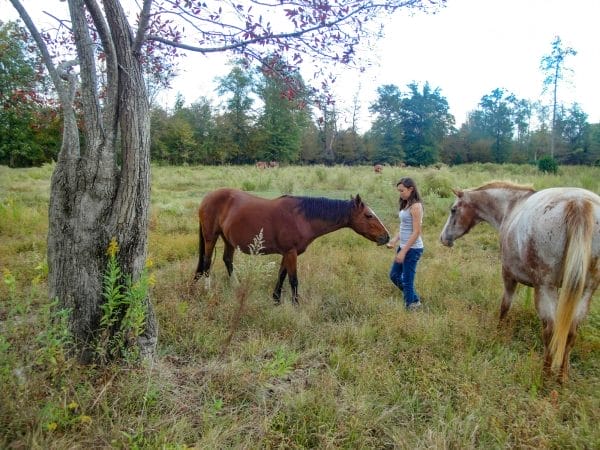
Horses contribute greatly to Alabama’s economy. The largest expenditure by Alabama horse owners is for the care and maintenance of their animals. Feed and hay, grooming equipment, veterinary fees, health supplies, hoof care, tack and apparel for both horse and rider, training and breeding fees, property taxes, and facilities maintenance and repairs are just a few of the expenses associated with horse care. Alabama horse owners with expensive, elite show animals spend a median estimate of $69,080 yearly per horse. The vast majority of horse owners (some 90 percent) carry out much of the care and maintenance for their horses themselves, but they still spend a median amount of $8,705.00 per horse per year. In all, horse care in Alabama accounts for a total of $2.3 billion in spending annually.
Pasture Horses
Horses contribute greatly to Alabama’s economy. The largest expenditure by Alabama horse owners is for the care and maintenance of their animals. Feed and hay, grooming equipment, veterinary fees, health supplies, hoof care, tack and apparel for both horse and rider, training and breeding fees, property taxes, and facilities maintenance and repairs are just a few of the expenses associated with horse care. Alabama horse owners with expensive, elite show animals spend a median estimate of $69,080 yearly per horse. The vast majority of horse owners (some 90 percent) carry out much of the care and maintenance for their horses themselves, but they still spend a median amount of $8,705.00 per horse per year. In all, horse care in Alabama accounts for a total of $2.3 billion in spending annually.
Horse-related activities in Alabama represent a large contribution to local and the state economies as well. Each of the four major shows in the state bring in significant revenue to the local area in which the show is held. The Alabama Open Horseman’s Association State Championships and the State 4-H Horse Championships, both held in Montgomery, for instance, add more than $1 million each to the Montgomery area. Horse owners and spectators who participate in the 256 open horse shows held throughout the state and sanctioned by the Alabama Open Horseman Association have a direct impact of some $1.5 million. The Racking Horse World Celebration, held in Priceville near Decatur in north Alabama, adds $2.7 million to that local economy. Ten other individual shows or series of shows or rodeos in the state, sanctioned by various horse associations, provide between $100,000 and $999,999, with an average of $298,532.20) in additional spending in those areas. The total contribution of horse shows and activities to the state’s economy is approximately $29.4 million each year.
The horse industry in Alabama is rapidly emerging as a major agricultural industry. Horse-related activities and tourism create a demand for services, clothing, equipment, supplies, and production of horses. Small businesses and farm enterprises within the state provide the majority of the goods and services used by the Alabama horse industry, and many youth employment opportunities are created by the horse industry. The wide variety of horse breeds, activities, events, and opportunities in the industry appeals to many people. The related effects on land use are substantial to all Alabamians, providing green spaces and pastoral scenes that are pleasing to all.